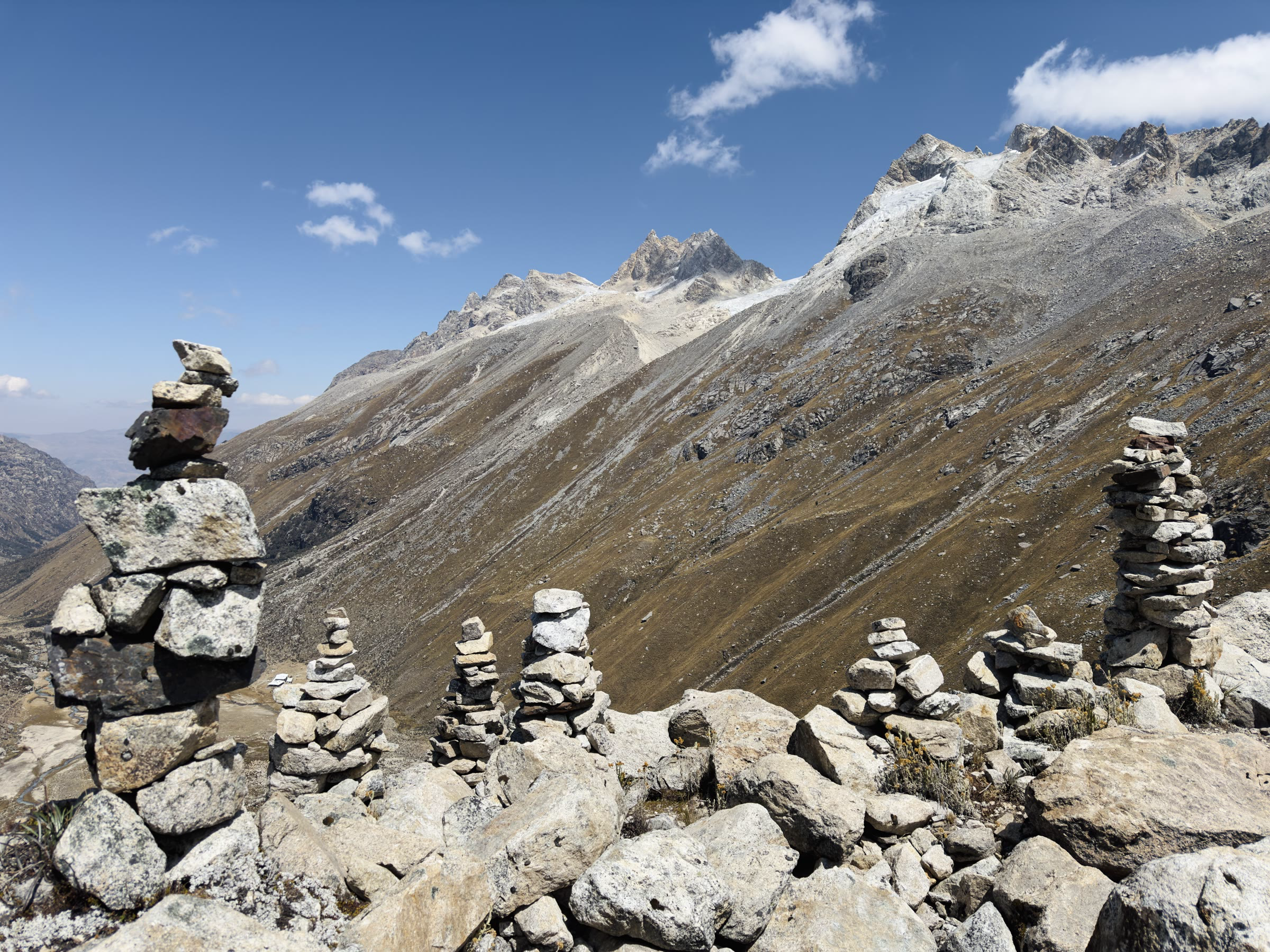
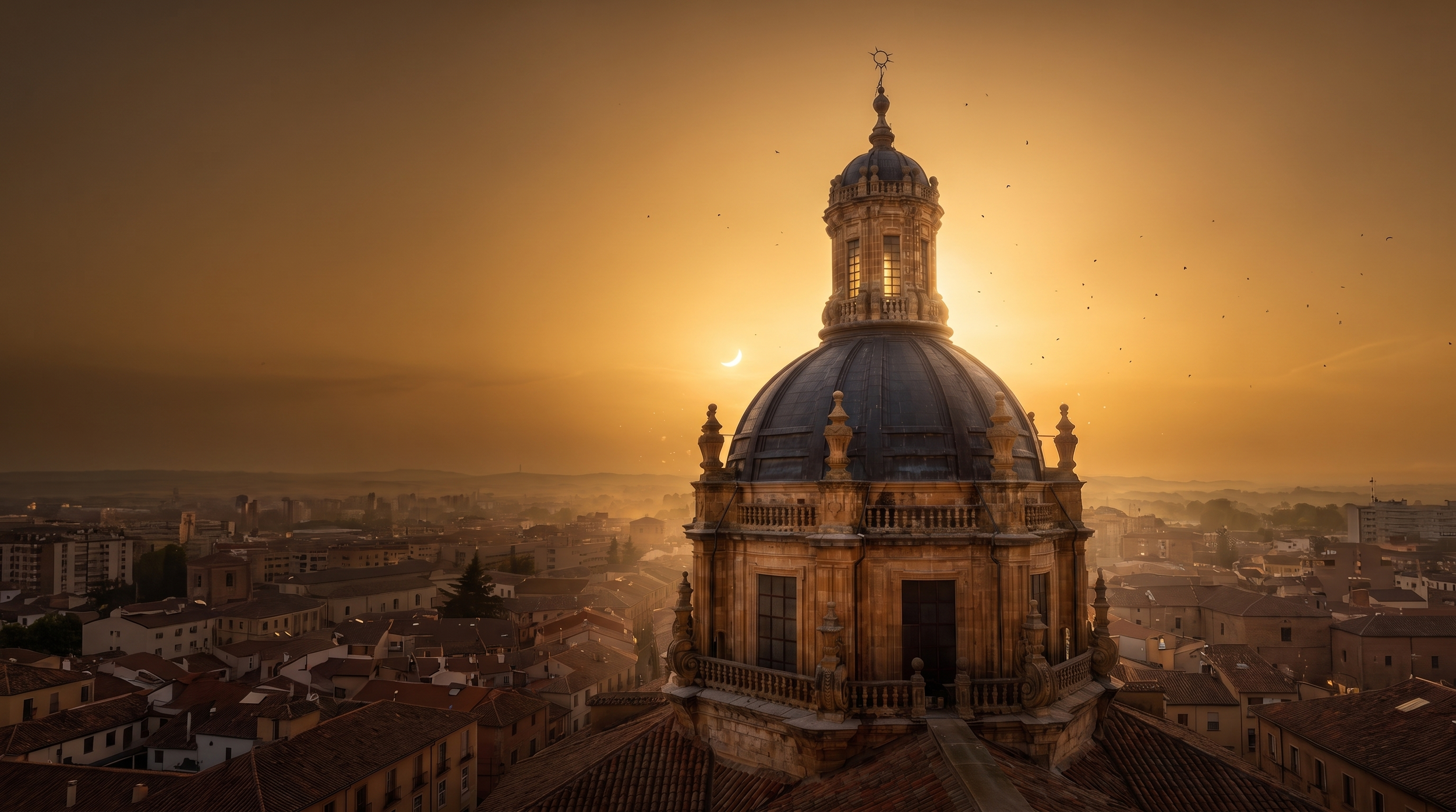
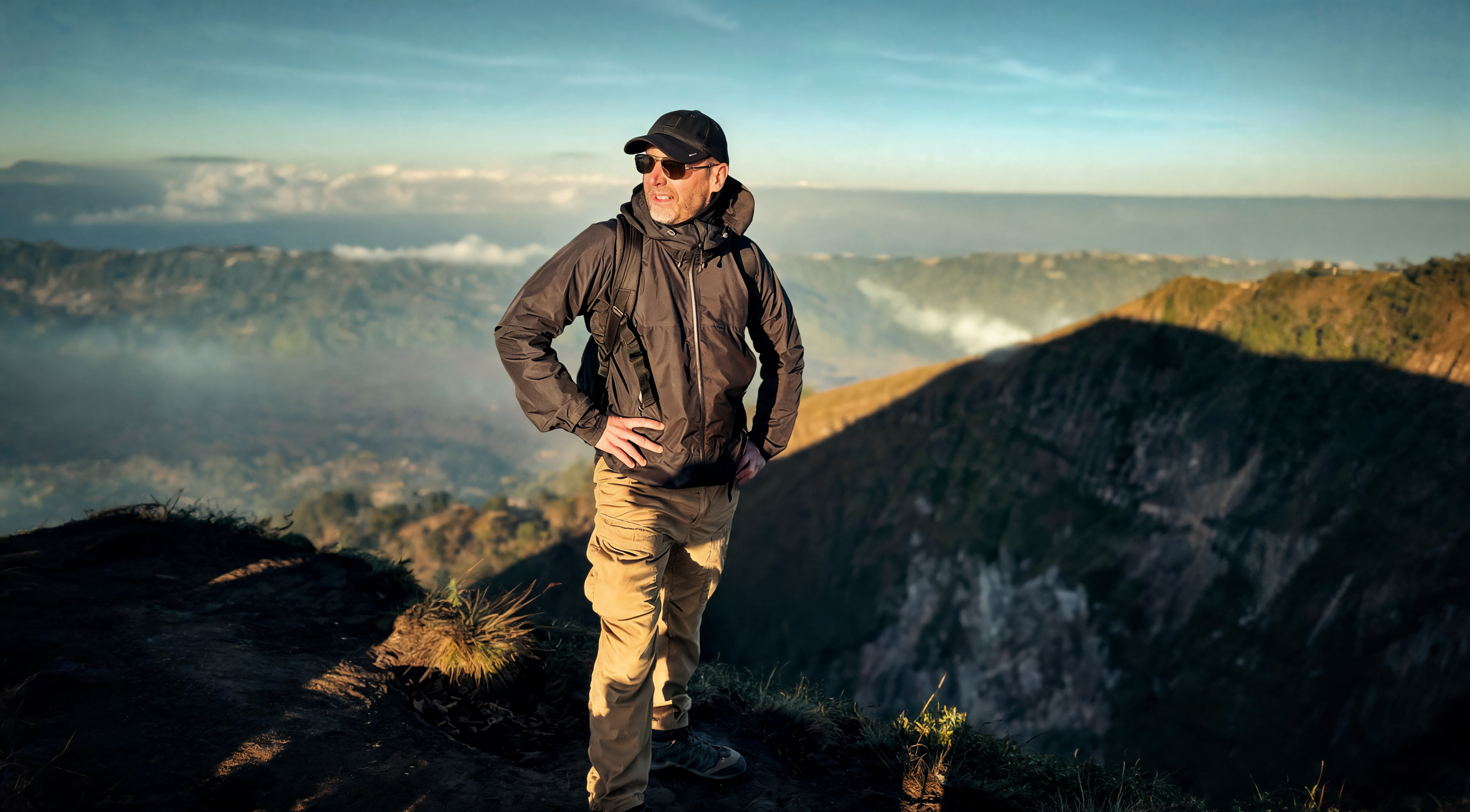
In Buenos Aires for weekend to repair camera. Looking for a church to attend on sunday.
[youtube=http://www.youtube.com/watch?v=2XaLdMeOeFo&rel=0]

From the first page of the law to the last page of the prophets, God has never once agreed to share His worship. “Thou shalt have no other gods before me. Thou shalt not make unto thee any graven image… Thou shalt not bow down thyself to them, nor serve them: for I the LORD thy God am a jealous God.” — Exodus 20:3-5. That is not the jealousy of insecurity. It is the jealousy of a husband for his bride the rightful claim of the One who made us, bought us, and loves us.
Walk into any forest after a great storm and you will find the same thing on the ground: not the smallest trees, but often some of the tallest. The ones that reached highest and grew fastest, the ones that looked the most impressive against the sky — these are frequently the ones lying on their side with their roots torn out of the earth, because they spent all their strength climbing and never sent anything down. The storm does not measure the height of a tree. It measures the depth.
Scripture's picture of the blessed man is never one who grows fast. It is one who grows down. "His delight is in the law of the Lord; and in his law doth he meditate day and night. And he shall be like a tree planted by the rivers of water, that bringeth forth his fruit in his season; his leaf also shall not wither." — Psalm 1:2-3. Planted. Rooted. Fed by an unseen stream. And Jeremiah paints the same tree with the storm already in view: "Blessed is the man that trusteth in the Lord... for he shall be as a tree planted by the waters, that spreadeth out her roots by the river, and shall not see when heat cometh... neither shall cease from yielding fruit." — Jeremiah 17:7-8. The drought comes. The heat comes. And the deep-rooted tree does not even notice, because its life is not drawn from the weather. It is drawn from the water it reached long before the sky went dry.
This is God's design for every believer. "Rooted and built up in Him, and stablished in the faith." — Colossians 2:7. "That ye, being rooted and grounded in love." — Ephesians 3:17. The Word is always the same. Before God builds anything up, He sends something down.
“He raises the poor from the dust and lifts the needy from the ash heap; He seats them with princes and has them inherit a throne of honor.” — 1 Samuel 2:8. Hannah prayed that after years of barrenness and public humiliation. It is not poetry. It is testimony. The God of the Bible is not a God who merely comforts people in the dust. He is a God who reaches into the dust and lifts. The world has one word for a man who has been through devastation: finished. Scripture has a different word: down. Down is not finished. Down is a position, not an identity. “For though the righteous fall seven times, they rise again, but the wicked stumble when calamity strikes.” — Proverbs 24:16. Read that carefully. The mark of the righteous is not that they never fall. The mark of the righteous is that they get up — seven times, and again after that. The difference between the righteous and the wicked in that verse is not the falling. It is the rising. And the prophet Micah, sitting in the wreckage of a nation under judgment, threw a defiance at his enemy that every believer should learn by heart: “Do not gloat over me, my enemy! Though I have fallen, I will rise. Though I sit in darkness, the Lord will be my light.” — Micah 7:8. Not I have risen. Not I feel like rising. I will rise — declared from the floor, in the dark, with nothing in hand but the character of God.
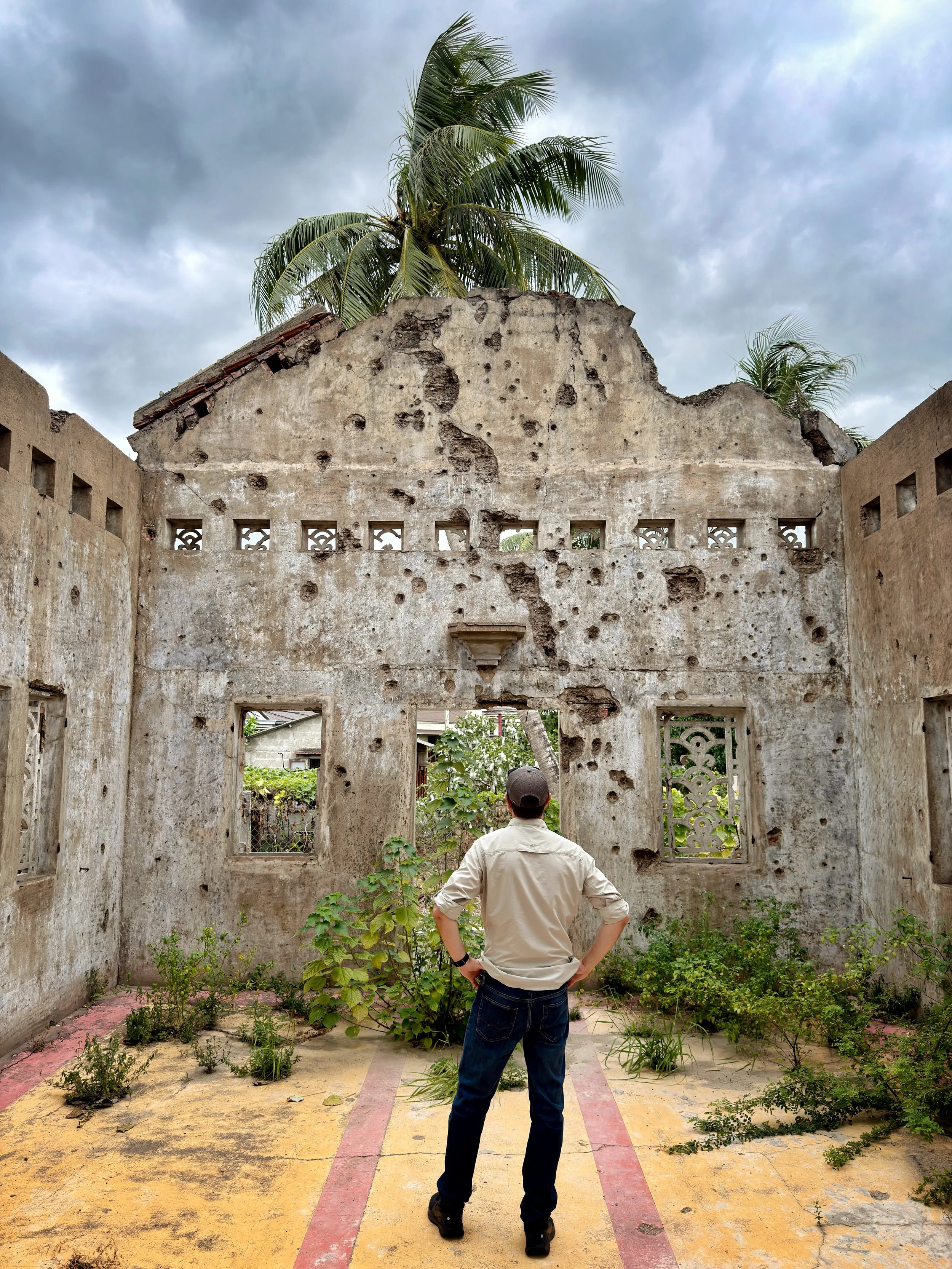
There is a particular quality to the air in a place that has been through fire. Not the romantic fire of a hearth or a campsite — but the kind that consumes entire cities, that levels what generations built, that leaves a landscape so altered it is almost unrecognizable to the people who once called it home. Vietnam knows that kind of fire. Walking through this country today — through the streets of cities that were once reduced to rubble, past a countryside that absorbed some of the heaviest bombardment in the history of modern warfare — you are walking through what came after. You are walking through the after-ashes.
And what you find is not what the logic of destruction would predict. You find life. You find rebuilding. You find a nation that absorbed one of the most devastating conflicts of the twentieth century — a war that consumed Americans and Vietnamese alike, that shattered families on both sides of the Pacific, that left an entire generation carrying wounds that no government program and no passage of time has ever fully healed — and kept going. The question that this place forces on every honest observer is not simply historical. It is profoundly personal. How does anything — a nation, a soul, a life — rise from ashes? What makes the difference between the ruins that stay ruins and the ruins that become something new?
There is a posture that God invites every believer into — and most of us spend our entire lives fighting it. Not because we are wicked or faithless, but because the world has trained us, from our very first breath, to grip things tightly. To scheme, to strive, to press, to worry, to manufacture outcomes through sheer force and anxiety. The world calls this wisdom. And it has produced in the hearts of God’s people a deep, chronic, soul-wearying strain that was never part of His original design for us.
Jesus said it plainly, without qualification, to people living in conditions far more precarious than most of us will ever face: “Do not worry about your life.” — Matthew 6:25.
In Buenos Aires for weekend to repair camera. Looking for a church to attend on sunday.
[youtube=http://www.youtube.com/watch?v=2XaLdMeOeFo&rel=0]
[youtube=http://www.youtube.com/watch?v=7fjqlbZiuuM&rel=0]