
Warfare: The Believer’s Battle in the Unseen Realm
The Reality of the Unseen War
The battle we face is not primarily political, social, or economic. It is not fought with weapons that can be seen or measured by human instruments. The conflict that defines the Christian life takes place in a realm invisible to the natural eye — a dimension where principalities and powers, thrones and dominions, wage war against the souls of mankind. Scripture pulls back the curtain on this invisible conflict with startling clarity in Ephesians that our struggle is “Not against flesh and blood, but against principalities, against powers, against the rulers of the darkness of this age, against spiritual hosts of wickedness in the heavenly places” — Ephesians 6:12. Notice the plural — not one enemy, but organized forces. Not localized skirmishes, but systemic warfare across a spiritual geography that spans “the heavenly places.” This is not a metaphor. This is not poetic language meant to inspire. This is literal spiritual reality. Every believer lives embedded in a war zone. Every decision, every prayer, every step of obedience either advances the kingdom of darkness or advances the kingdom of light. There is no neutrality. There is no middle ground. Jesus Himself confirmed this reality when He addressed the seventy disciples upon their return: “I saw Satan fall like lightning from heaven.” — Luke 10:18. The adversary was not defeated by human strategies or institutional power. He fell because of the authority delegated by Christ Jesus.
For believers today, our victory was already won on the cross. Yet the enemy remains active. He prowls like a roaring lion, seeking whom he may devour (1 Peter 5:8). He blinds the minds of those who do not believe, lest the light of the gospel shine upon them (2 Corinthians 4:4). He sows tares among the wheat, attempting to choke out the genuine work of God (Matthew 13:38–39). He accuses the brethren before the throne, though his accusations are rendered powerless by the blood of Jesus (Revelation 12:10–11). Understanding this reality transforms how we live. The Christian life is not a pleasant stroll through a friendly universe. It is warfare. And warfare demands vigilance, preparation, and the proper equipment.
The Believer’s Position in Christ
Here is the truth that separates Christianity from every religion on earth: the believer’s victory does not depend upon what they do for God, but upon what God has already done for them in Christ. This is not passive mysticism. This is the dynamic reality of positional truth that empowers every aspect of the Christian walk. When a person receives Jesus Christ as Lord and Savior, something supernatural occurs that transcends human understanding. They are not merely forgiven. They are not simply improved. They are radically and eternally united with the risen Christ in a way that transfers them from the domain of darkness into the kingdom of God’s dear Son (Colossians 1:13). They are seated “in the heavenly places in Christ Jesus” (Ephesians 2:6). This is not future tense. This is the present reality. What does this mean for the believer facing spiritual opposition? It means they face the enemy not as a defeated victim scraping together enough righteousness to survive another day. They face the enemy as more than a conqueror, clothed in the armor of God, wielding authority delegated from the throne itself. Jesus said: “Behold, I give you the authority to trample on serpents and scorpions, and over all the power of the enemy.” — Luke 10:19. This authority is not earned through years of spiritual discipline. It is received through the new birth. It is activated through faith. It is exercised through the believer’s understanding of their position. The enemy cannot force a believer to do anything. He can deceive, he can tempt, he can harass — but he cannot compel obedience. The believer retains the will, given by God and never revoked. What the enemy accomplishes in the life of a Christian is accomplished through deception, through the Christian’s own fleshly responses, through lack of knowledge of the provisions God has already made. The weapons of our warfare are not of this world. They do not depend upon human strength, organizational power, social influence, or material resources. They operate in a different dimension entirely. “For the weapons of our warfare are not carnal but mighty in God for pulling down strongholds, casting down arguments and every high thing that exalts itself against the knowledge of God, bringing every thought into captivity to the obedience of Christ” — 2 Corinthians 10:4–5.
Weapons of Our Warfare
Having established the reality of the conflict and the position of the believer, we must now address the practical question: How does the believer engage in this warfare? What are the instruments through which divine power flows into the earthly realm? Believers stand firm in Christ’s position using God’s armor against devilish wiles (Ephesians 6:11).
The armor described in Ephesians consists of six elements, each representing a dimension of spiritual reality that the believer must appropriate. First, the belt of truth — understanding and living in alignment with the absolute truth of God’s Word, which exposes the enemy’s lies and secures the inner being against deception. Second, the breastplate of righteousness — the imputed righteousness of Christ that protects the heart, the center of moral character and emotional life. Third, the preparation of the gospel of peace — meaning both the peace that comes from the gospel and the readiness to share it, establishing a stable footing in the midst of conflict. Fourth, the shield of faith — this is the weapon that extinguishes “all the flaming arrows of the evil one” (Ephesians 6:16). Faith is not merely intellectual assent to doctrinal propositions. It is trust in the character and promises of God that causes the believer to refuse to be moved by circumstances that seem to contradict divine goodness and power. Fifth, the helmet of salvation — protecting the mind, the thought life, the reasoning capacity that the enemy constantly attacks with doubt, fear, and confusion. Sixth, the sword of the Spirit — which is the Word of God, the only offensive weapon in the armor, the living, active, sharper than any two-edged sword that penetrates to the division of soul and spirit (Hebrews 4:12). Beyond the armor, in Ephesians it says to pray “always with all prayer and supplication in the Spirit, being watchful to this end with all perseverance and supplication for all the saints” (Ephesians 6:18). Prayer is the communication channel that connects the believer on earth with the throne room in heaven. It is through prayer that divine power is released into earthly circumstances. It is through prayer that the enemy is resisted. It is through prayer that the will of God is accomplished. Prayer is not the believer’s attempt to convince a reluctant God to act. Prayer is the believer’s cooperation with a sovereign God who has already determined to act and who waits for His people to align themselves with His purposes. Jesus said: “Whatever you ask in My name, that I may do” (John 14:13). The authority to pray in Christ’s name means praying according to His character, His purposes, His will — and such prayer is always answered.
Witnessing the Bondage: Reflections on Thaipusam
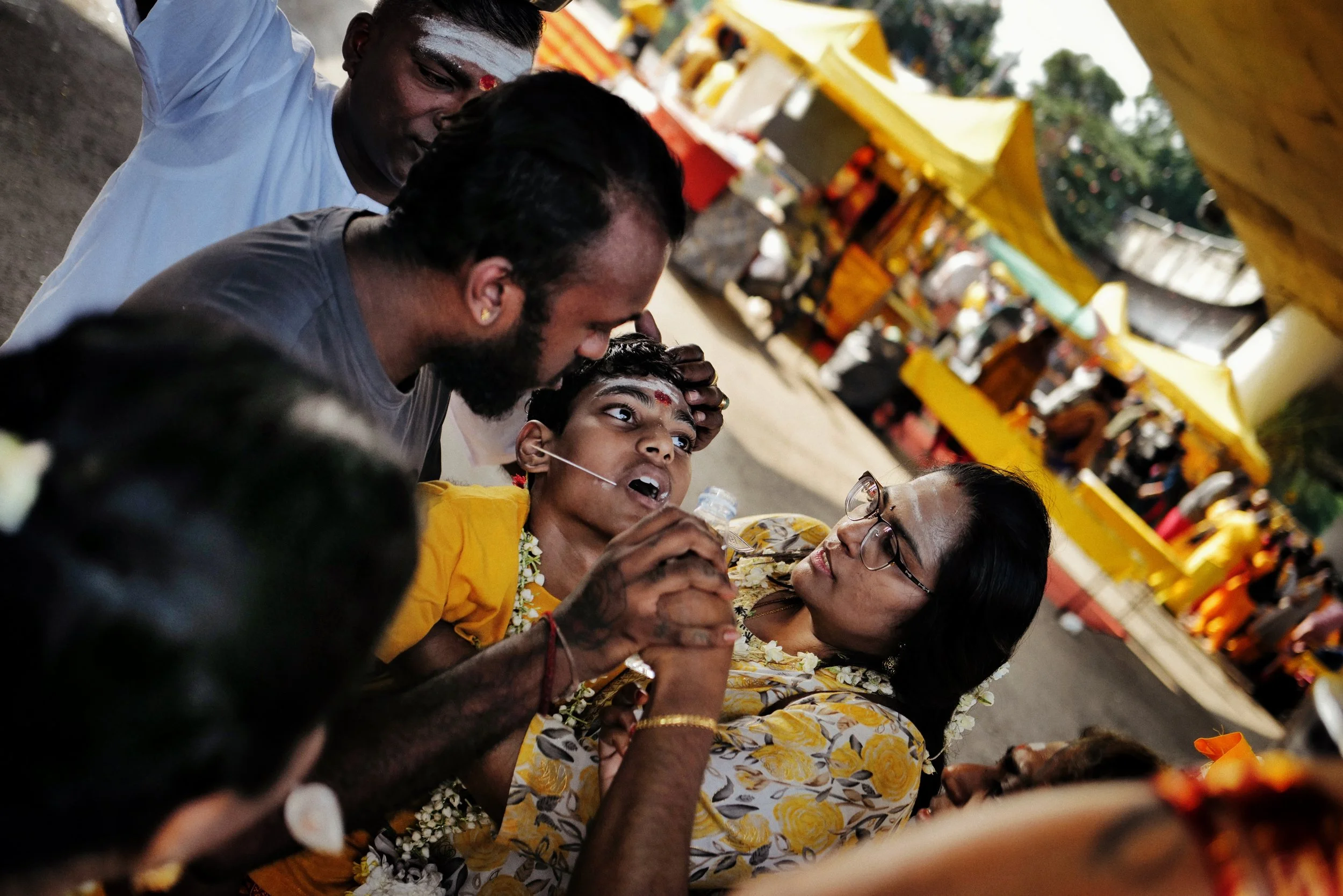
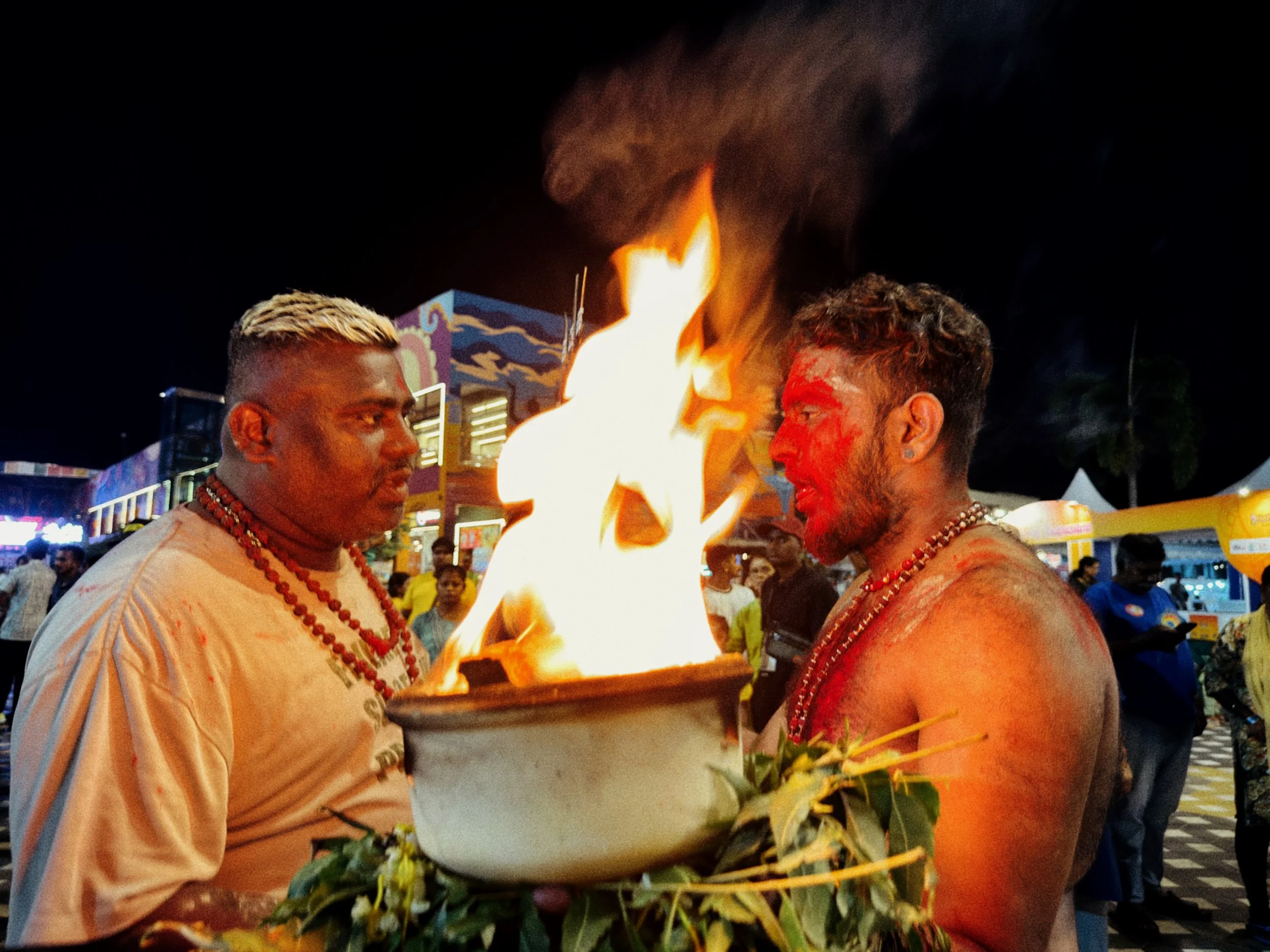
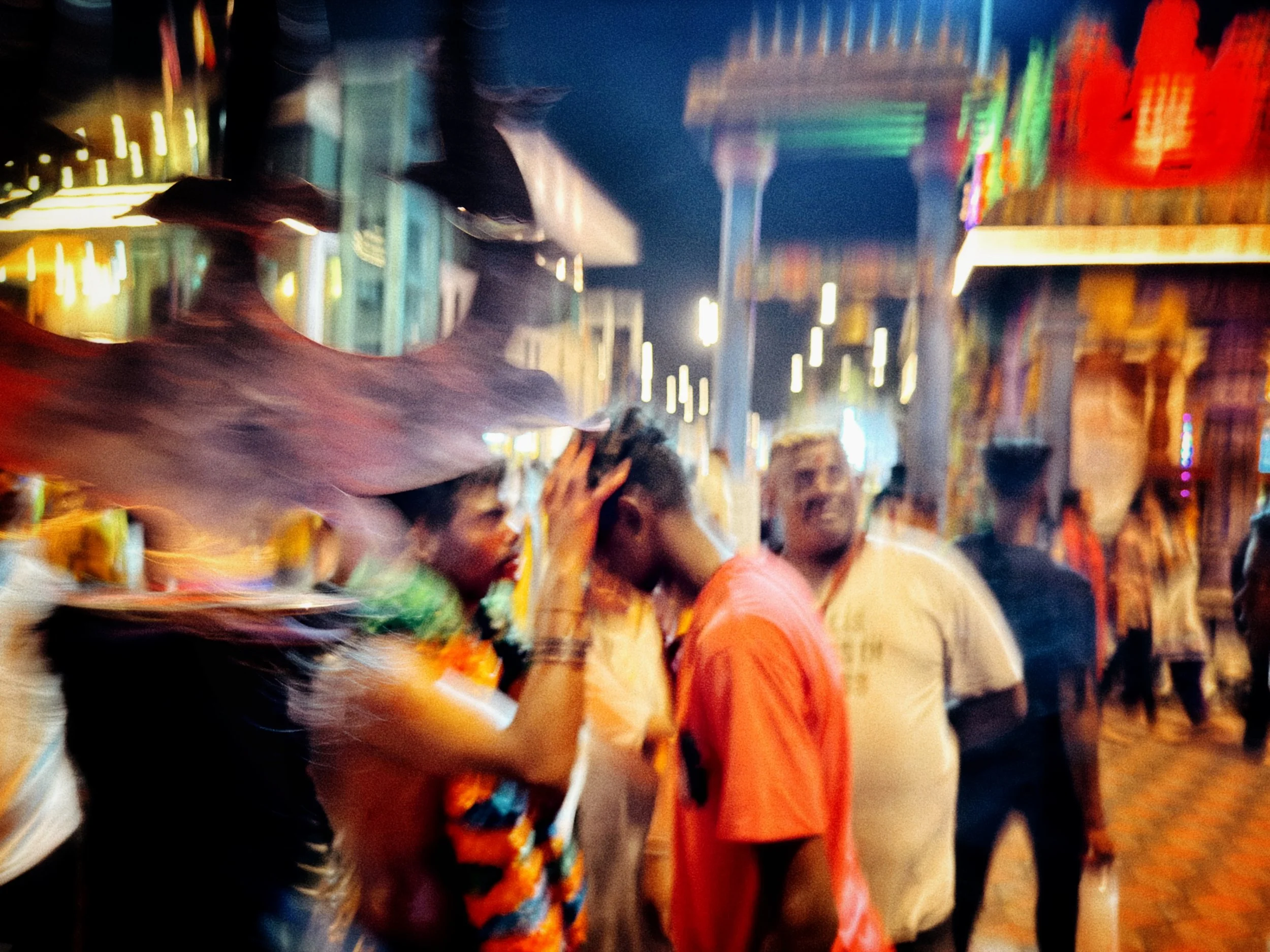
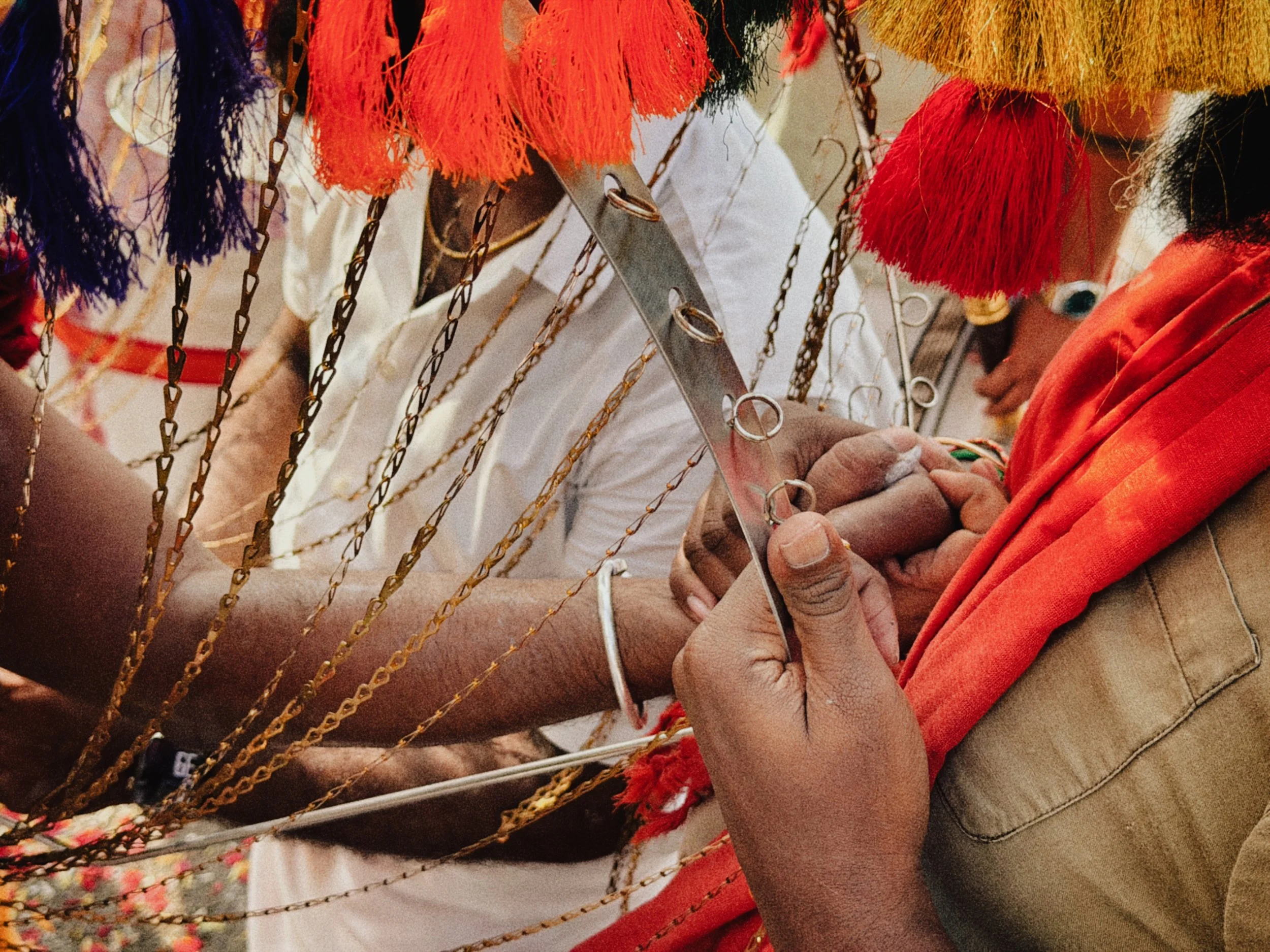
Recently, we had the opportunity to observe the Thaipusam festival in Malaysia — what we are about to tell displays the outward physical manifestation of the warfare of the unseen realm. For those unfamiliar, Thaipusam is a Hindu celebration dedicated to the deity Sri Murugan, observed by thousands of Tamil devotees across the world. The spectacle is disturbing to say the least: devotees carry ornate structures called kavadis, pierce their bodies with hooks and spears, walk long distances in acts of penitence and offerings and channel demons which are seen to manifest. This is spiritual bondage manifested in physical form.
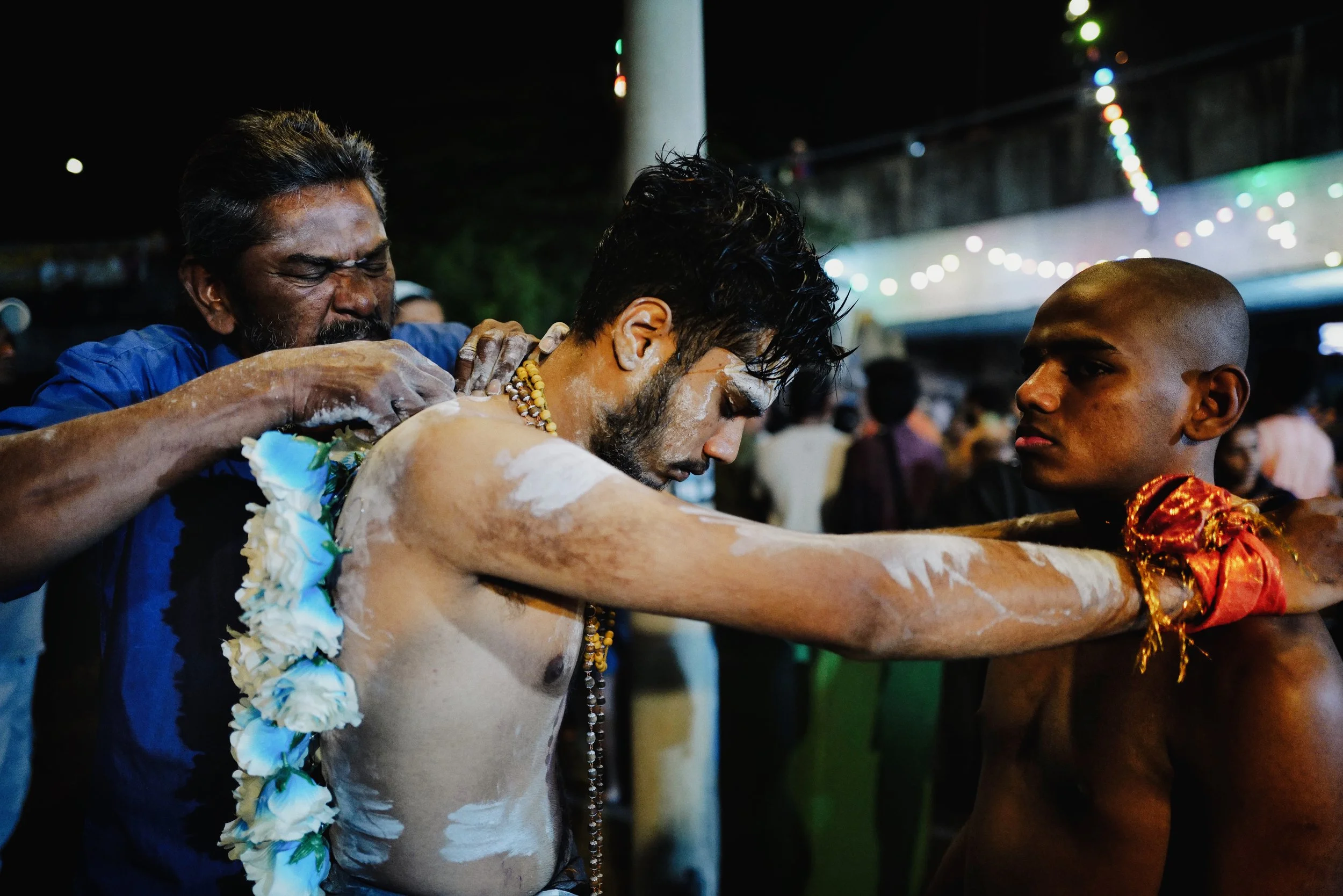

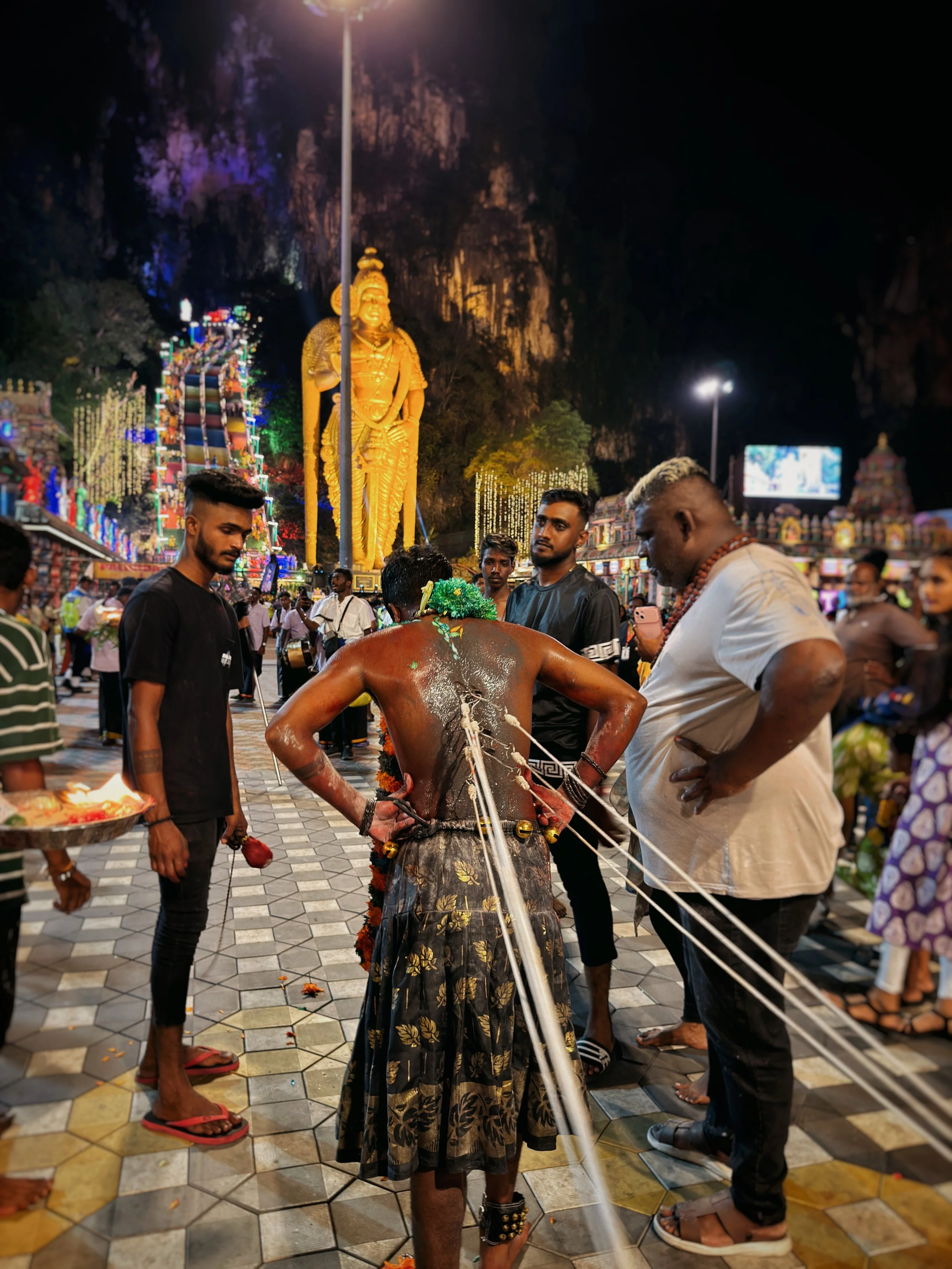
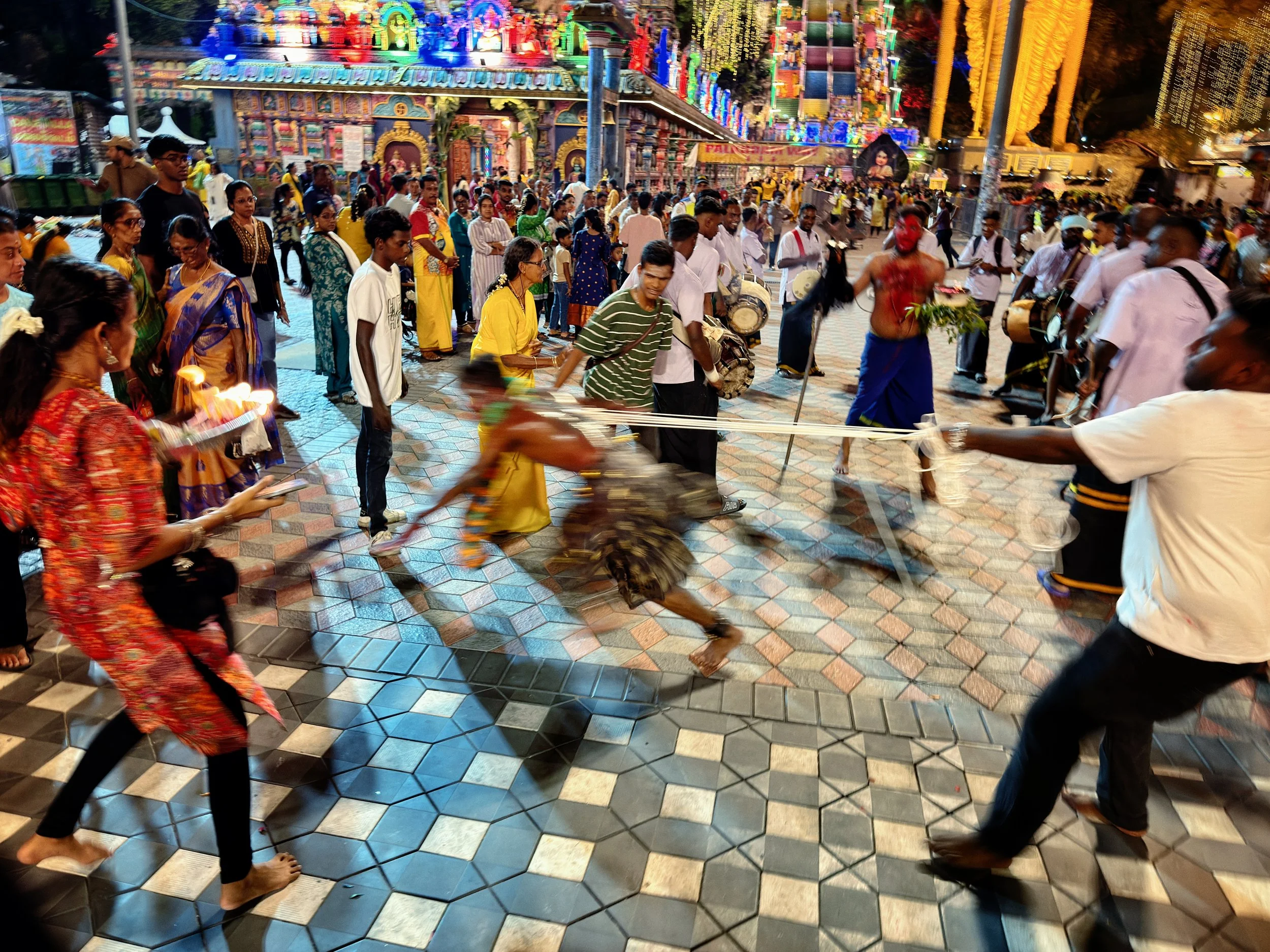
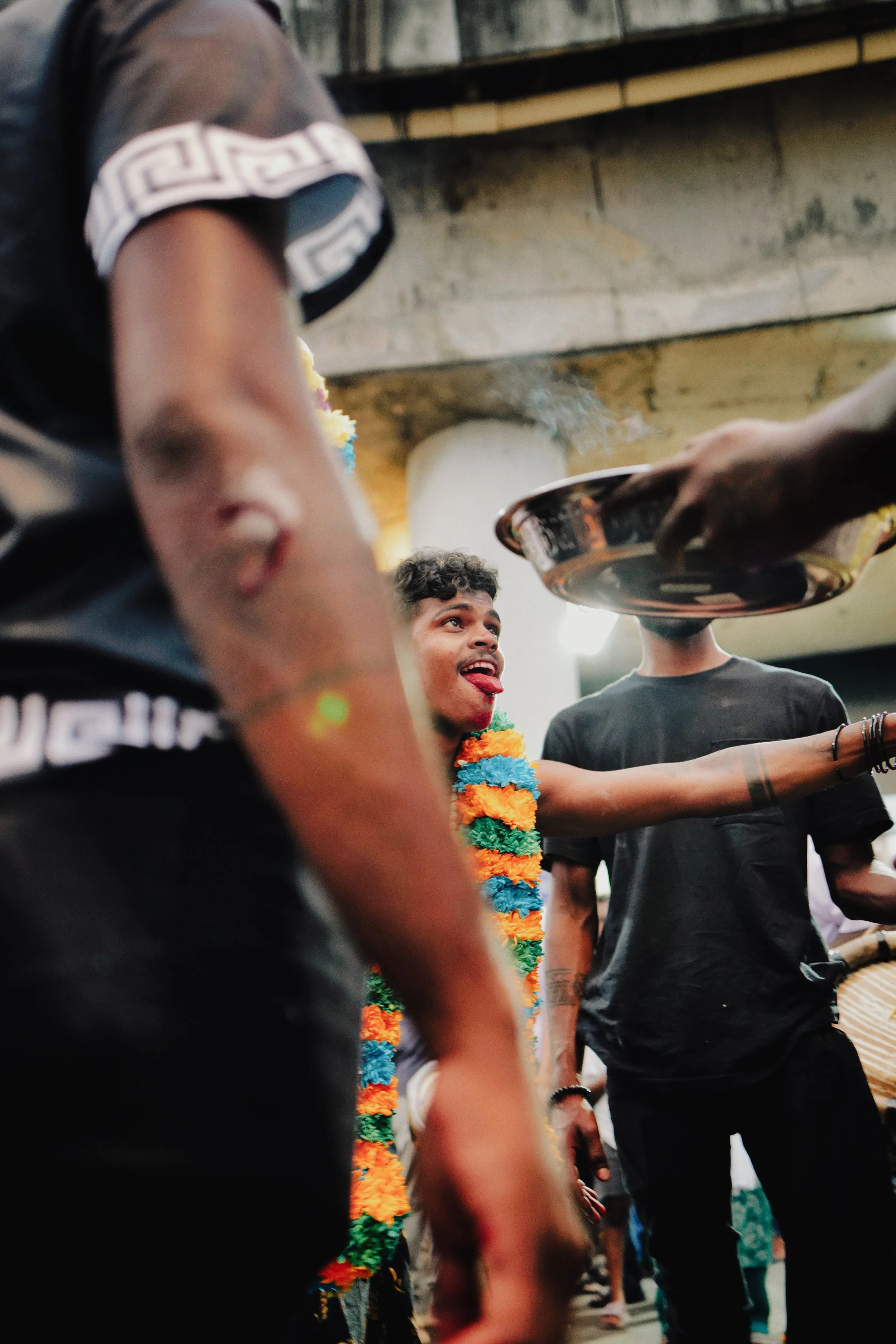
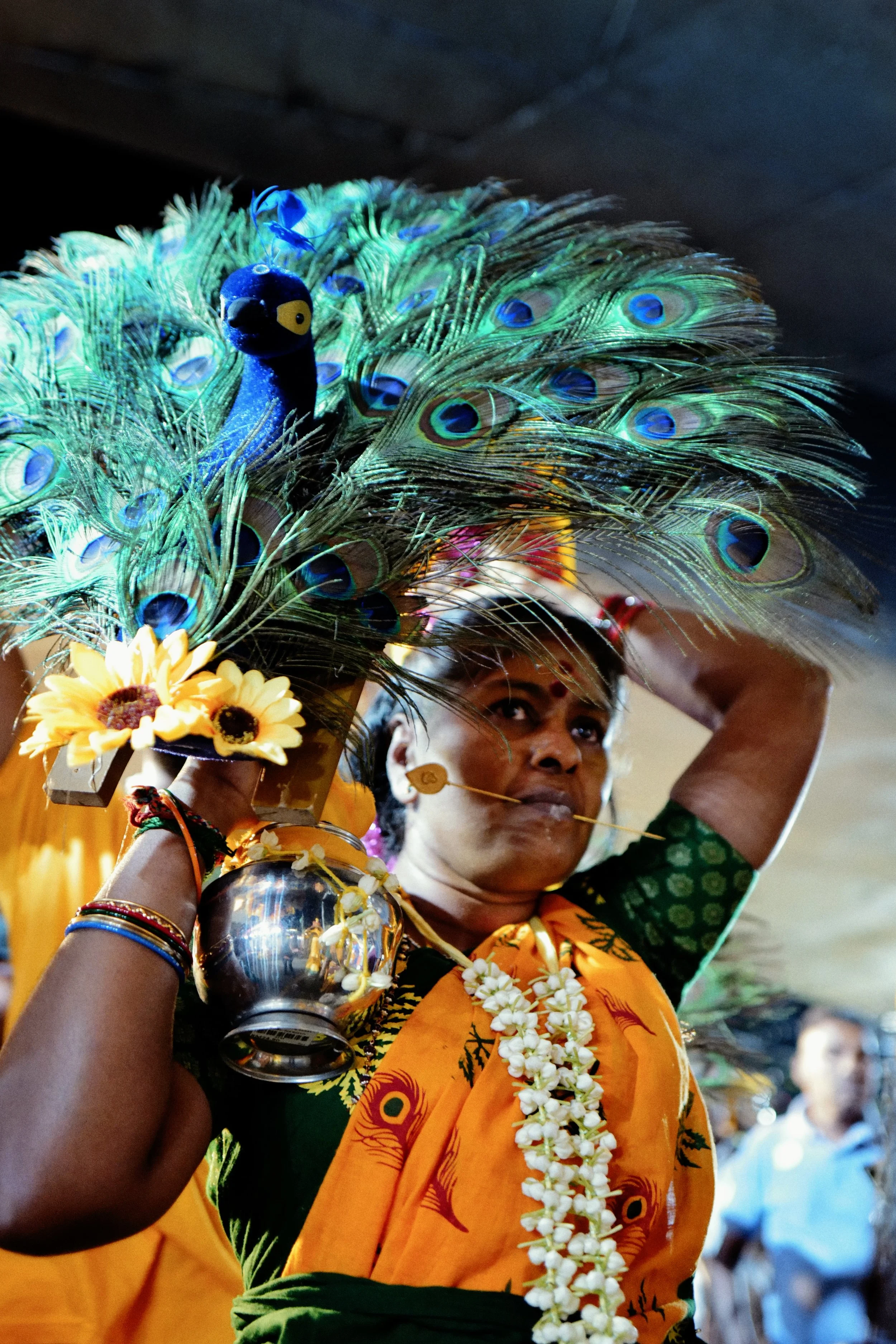
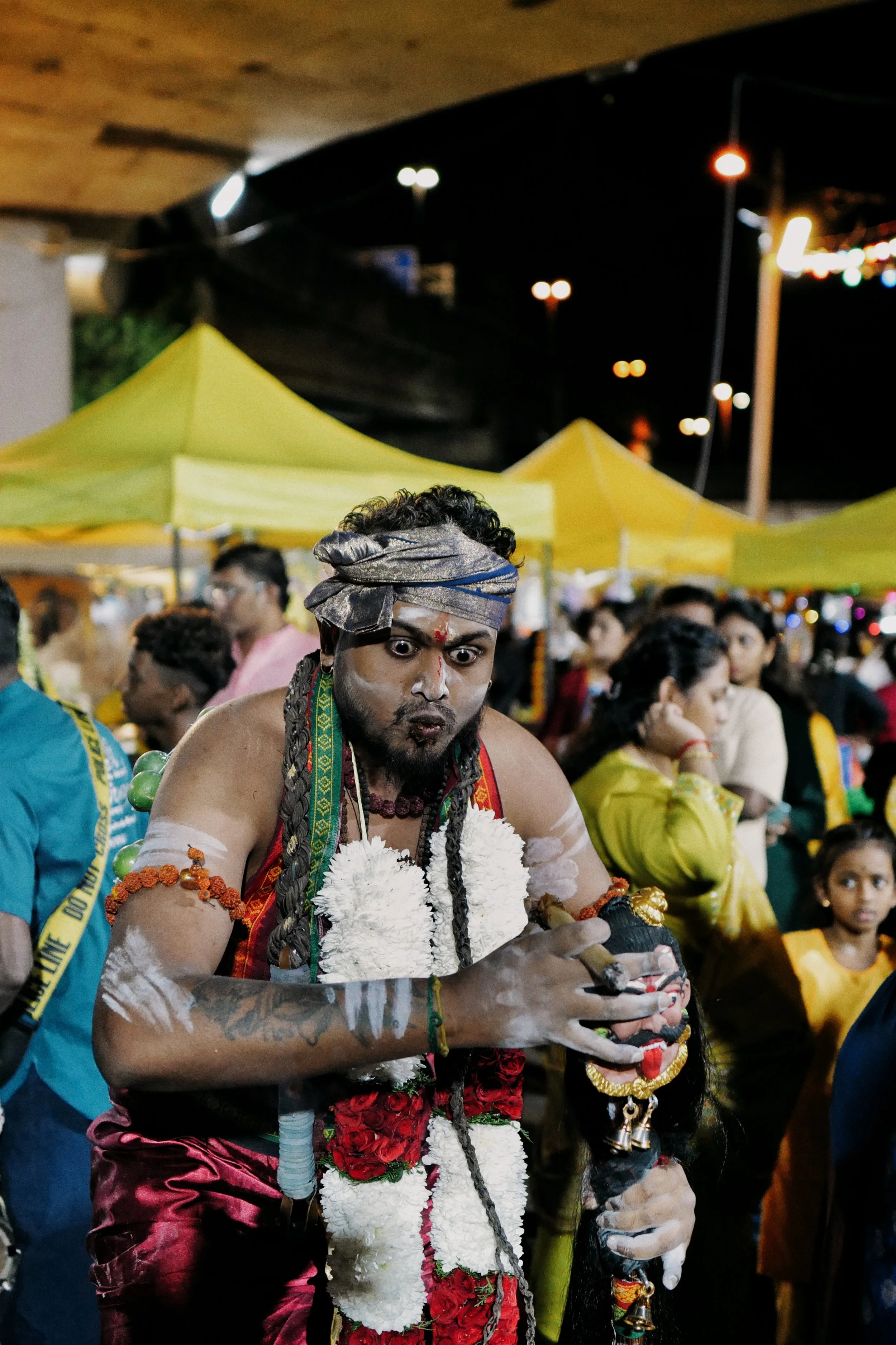
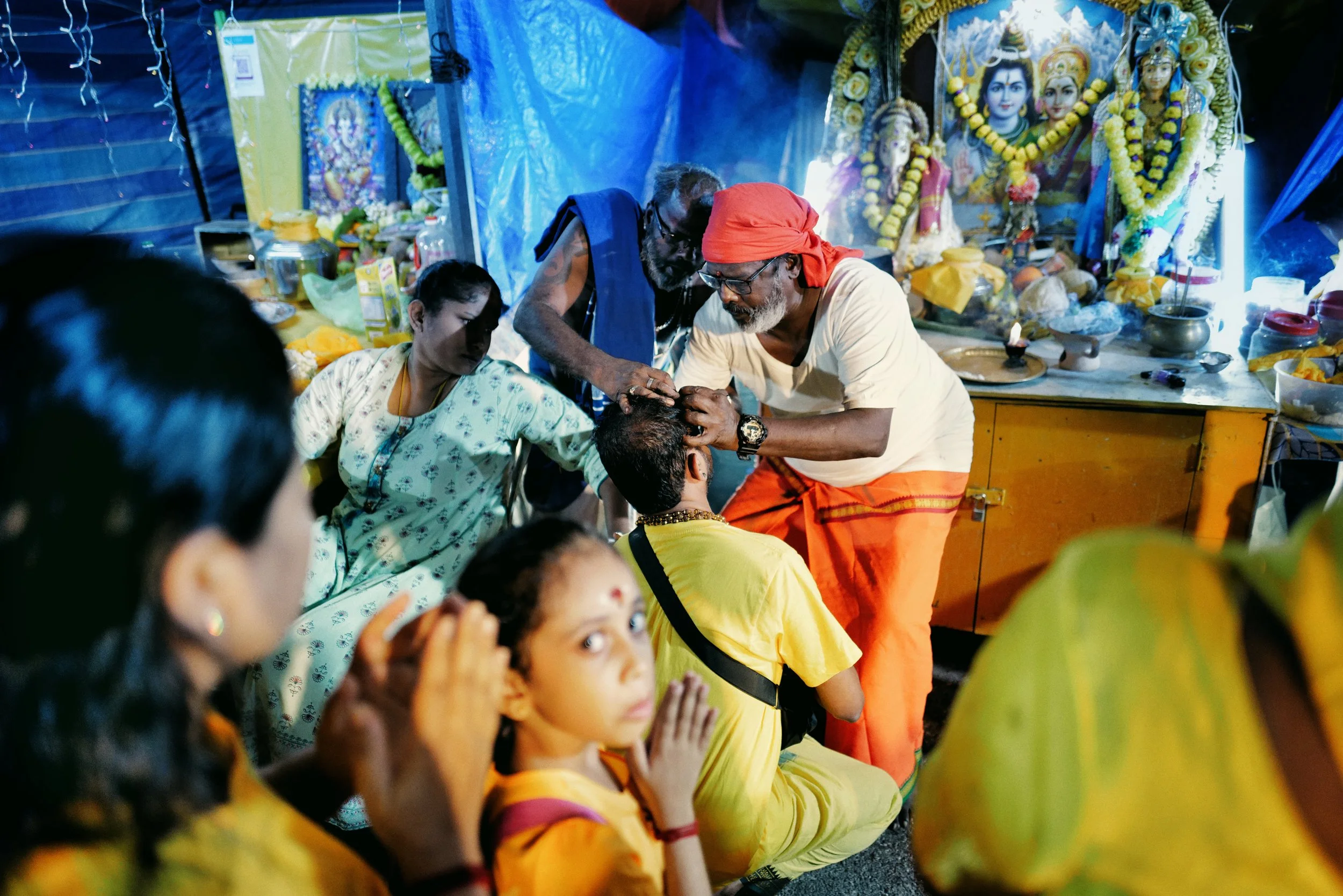
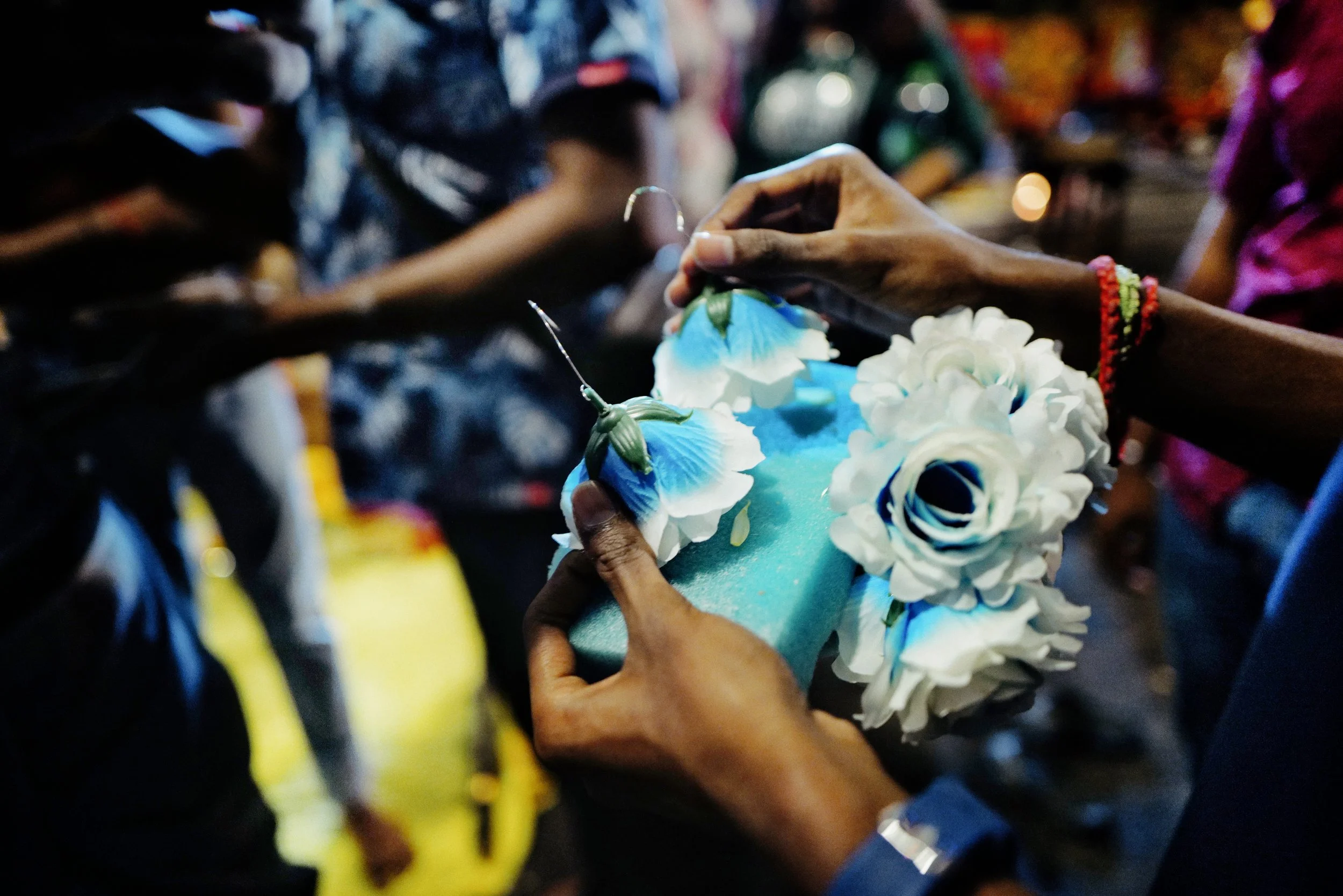
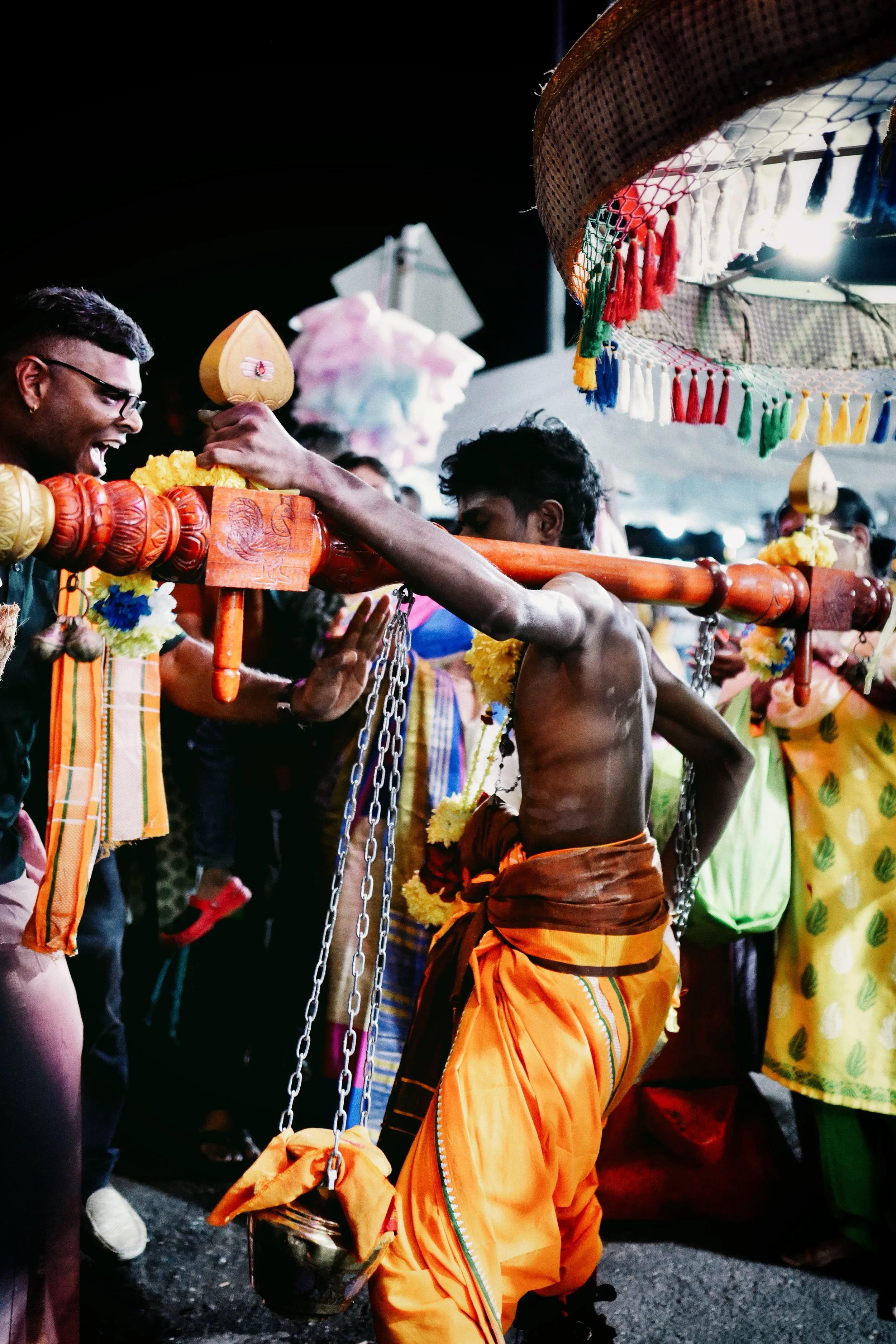
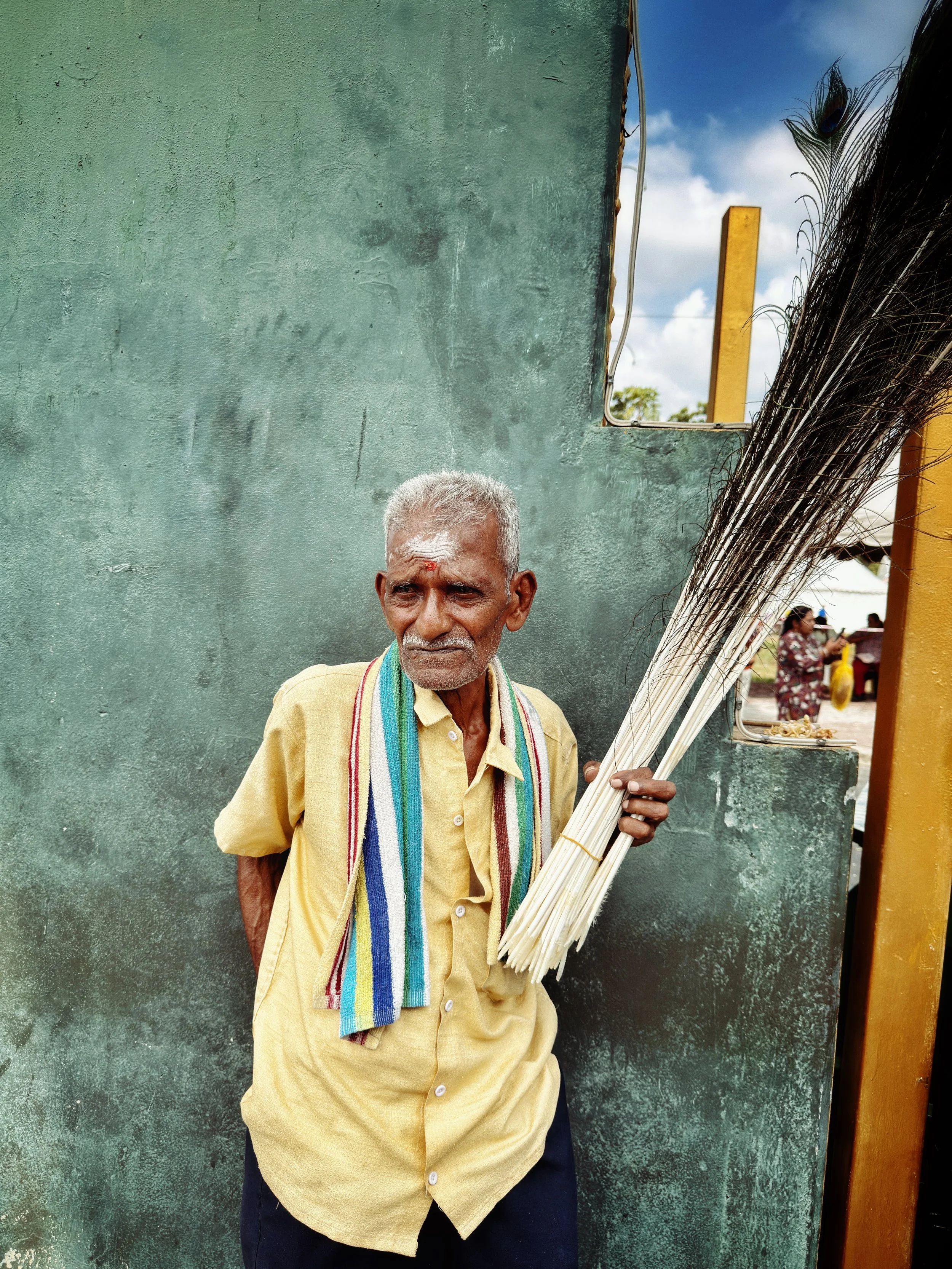
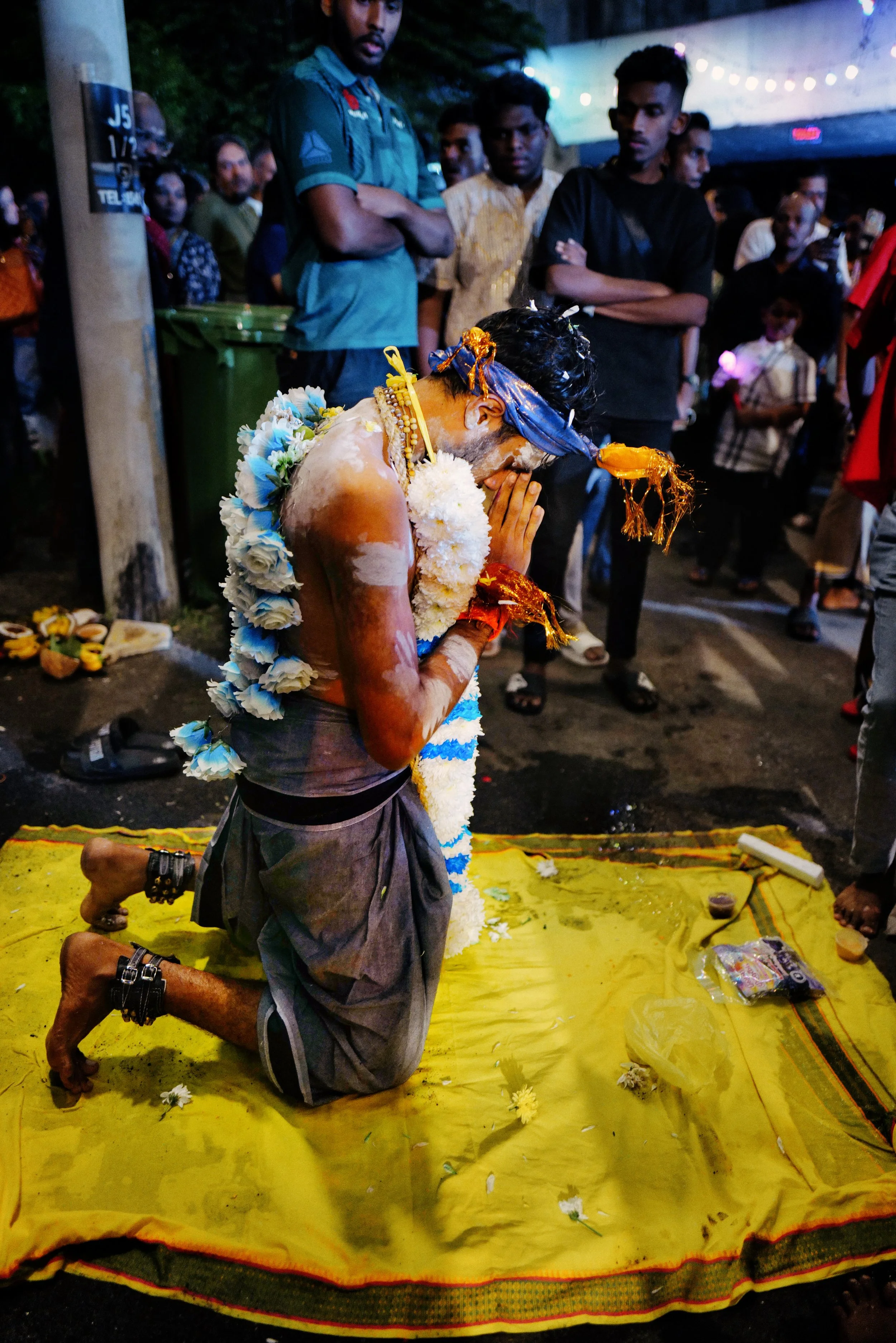
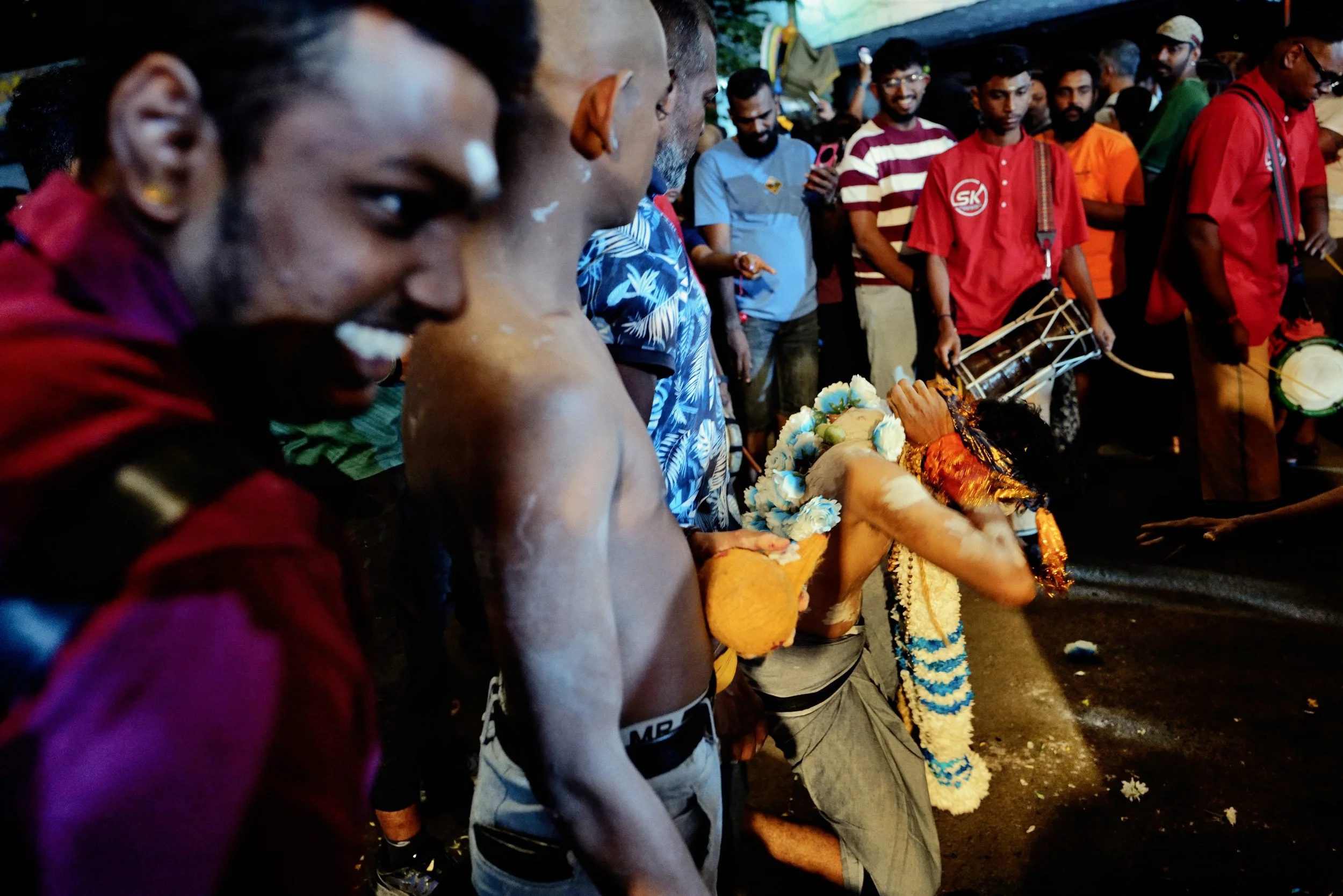
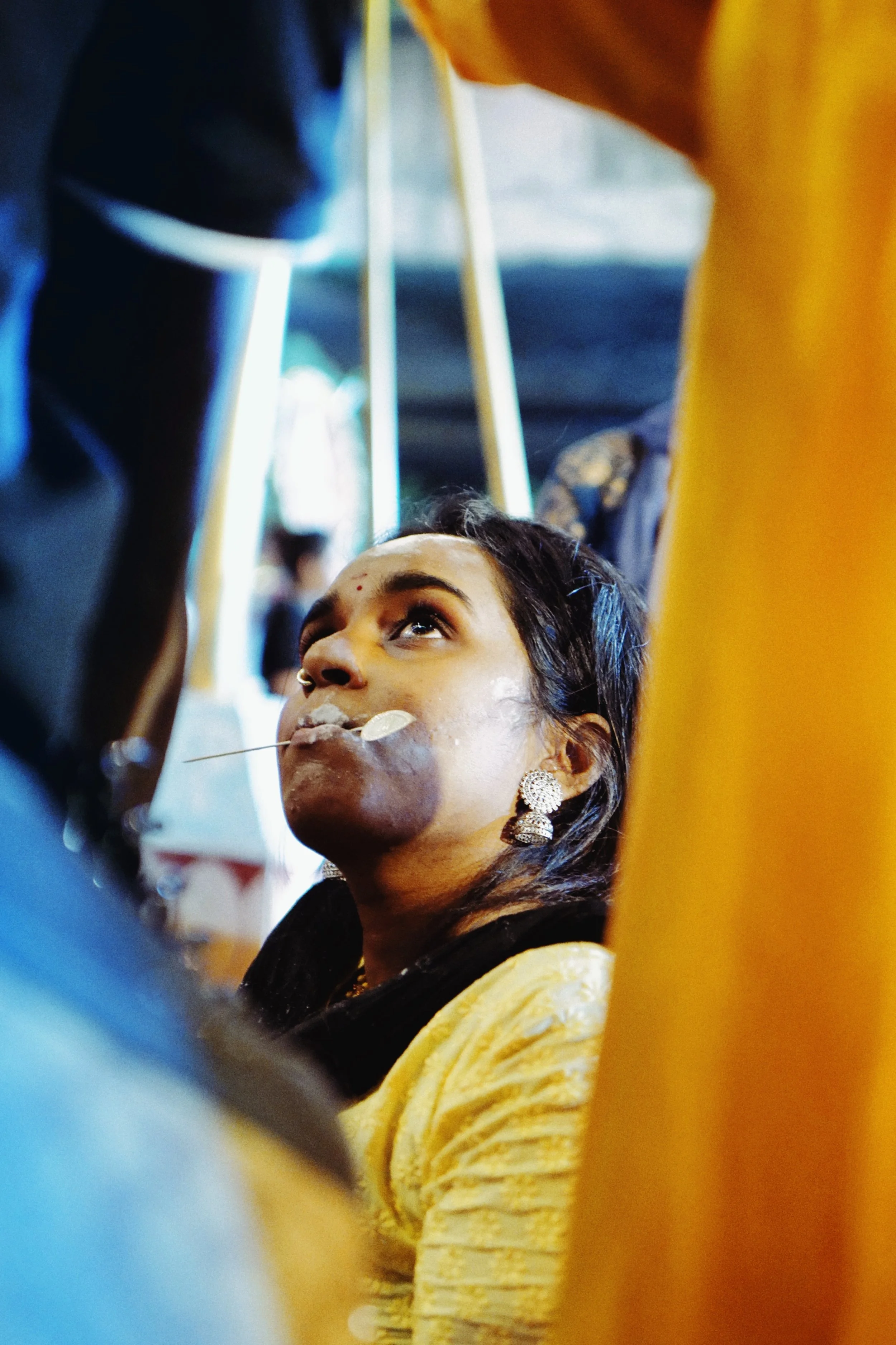
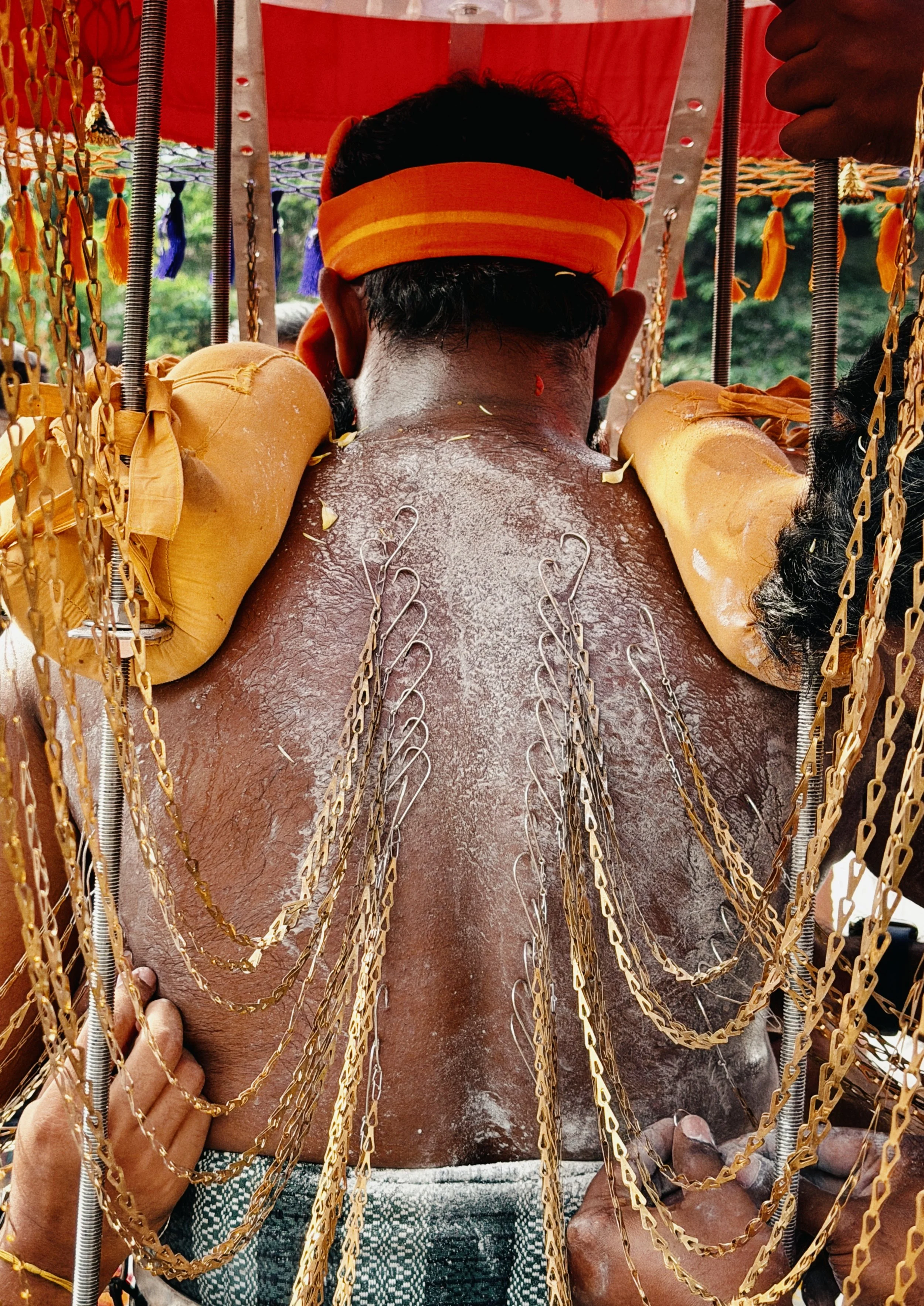
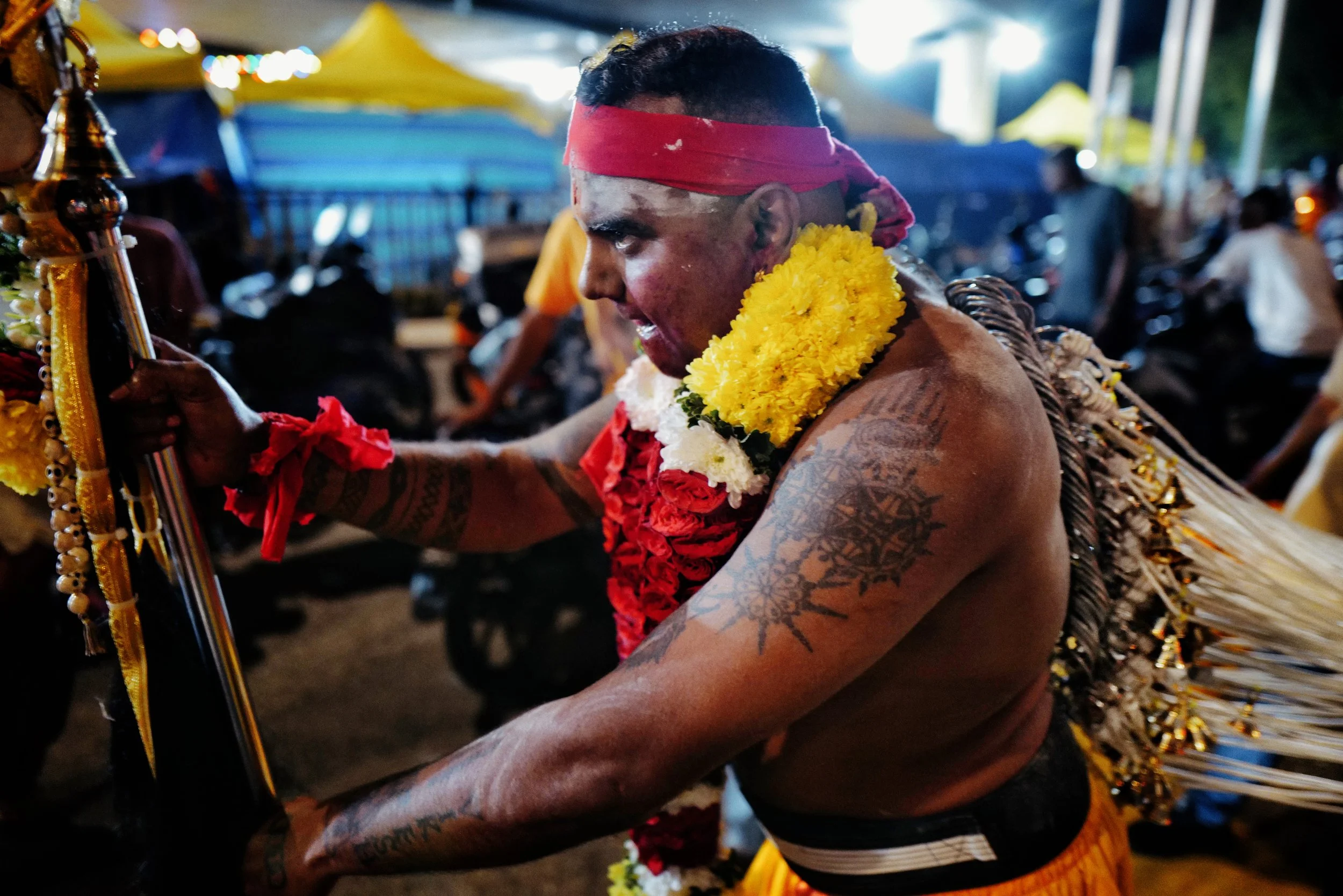
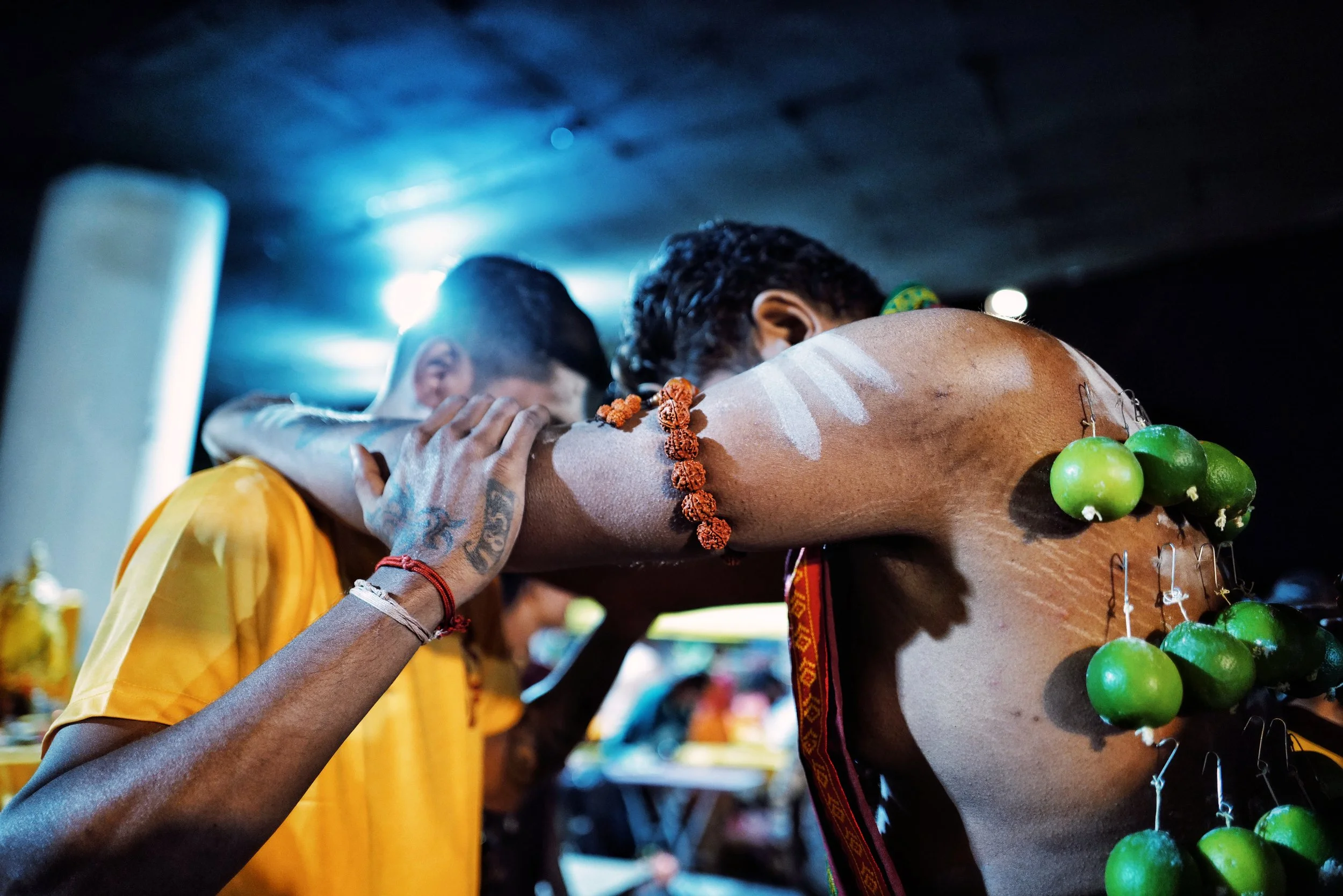
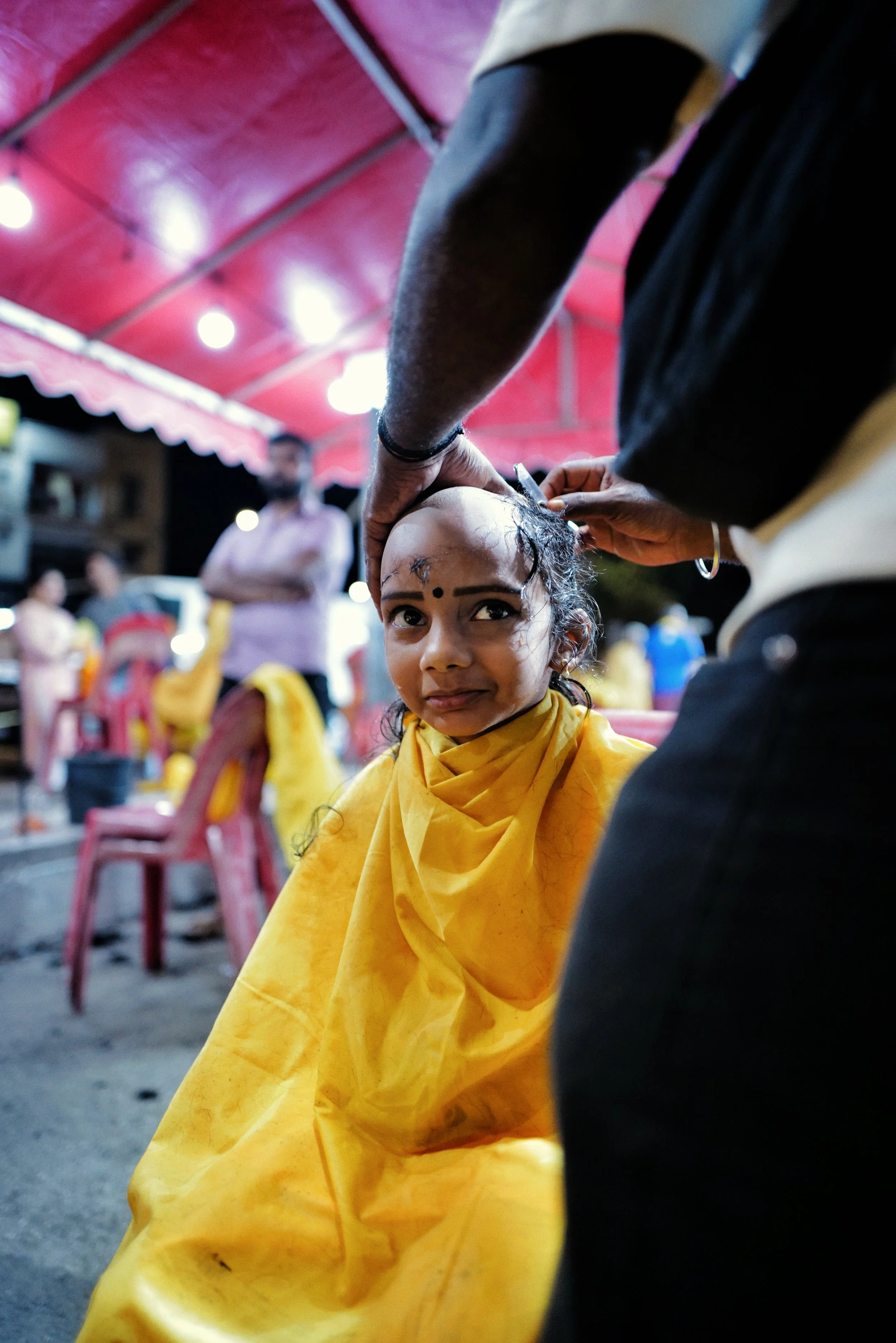
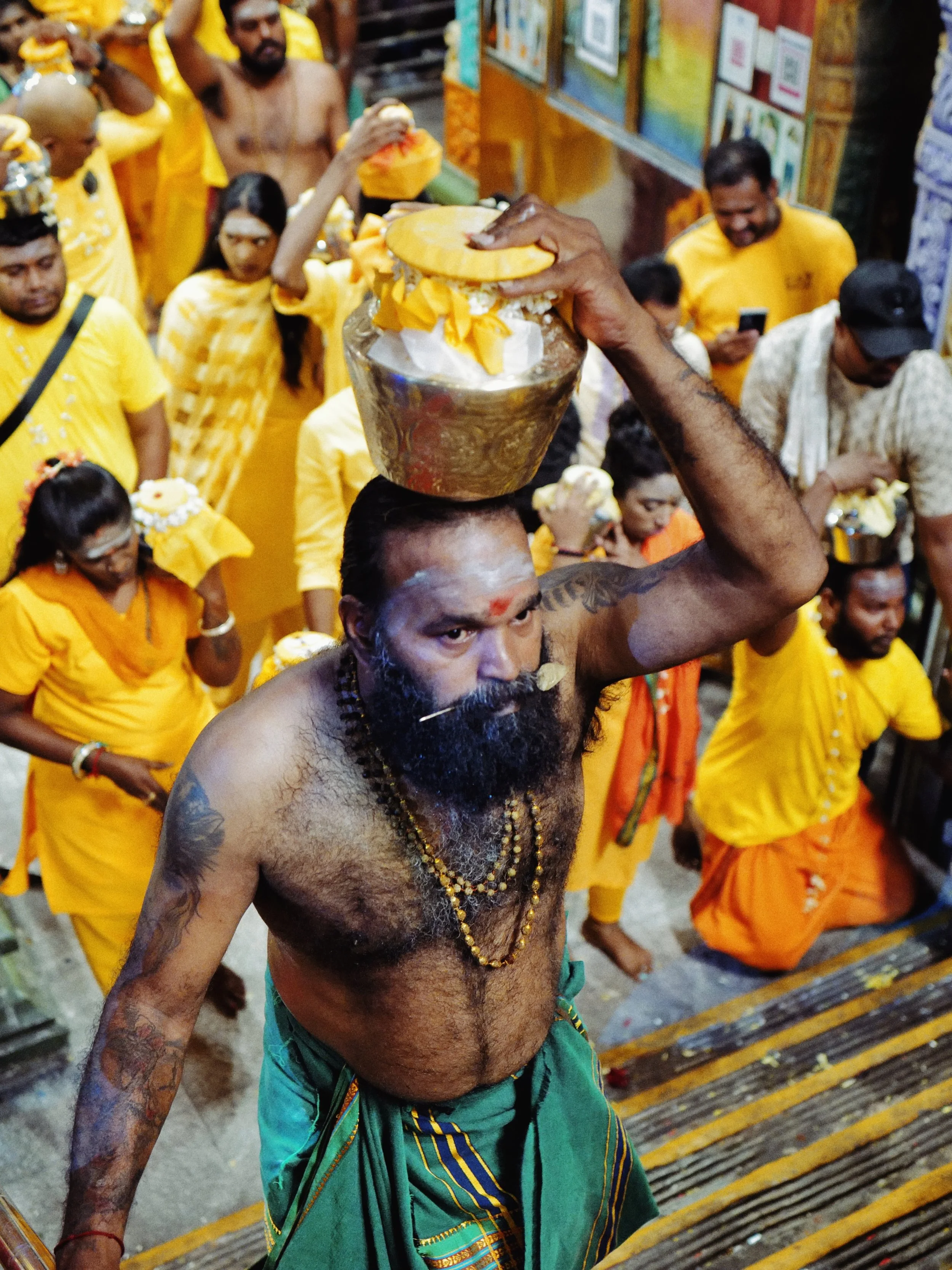
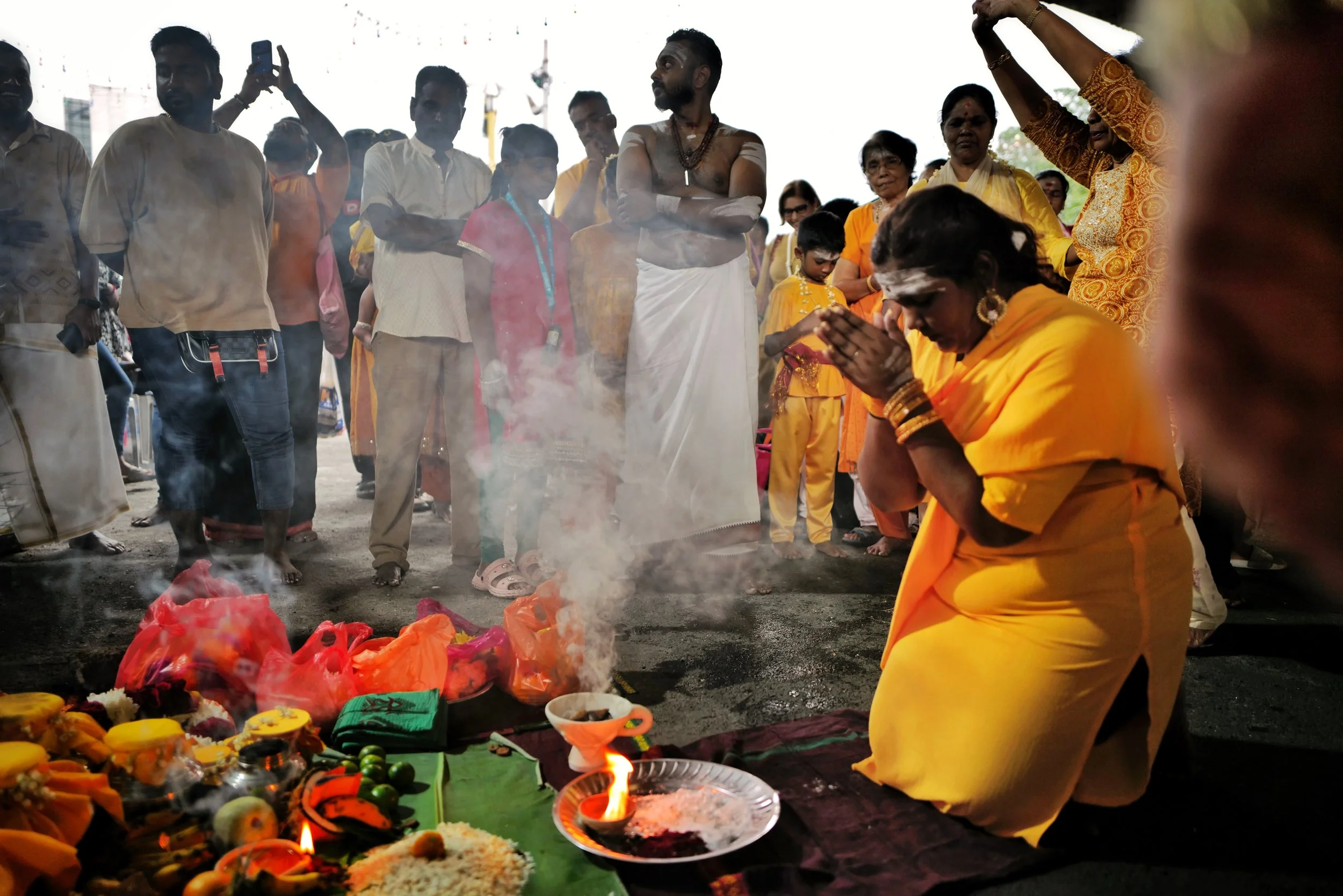
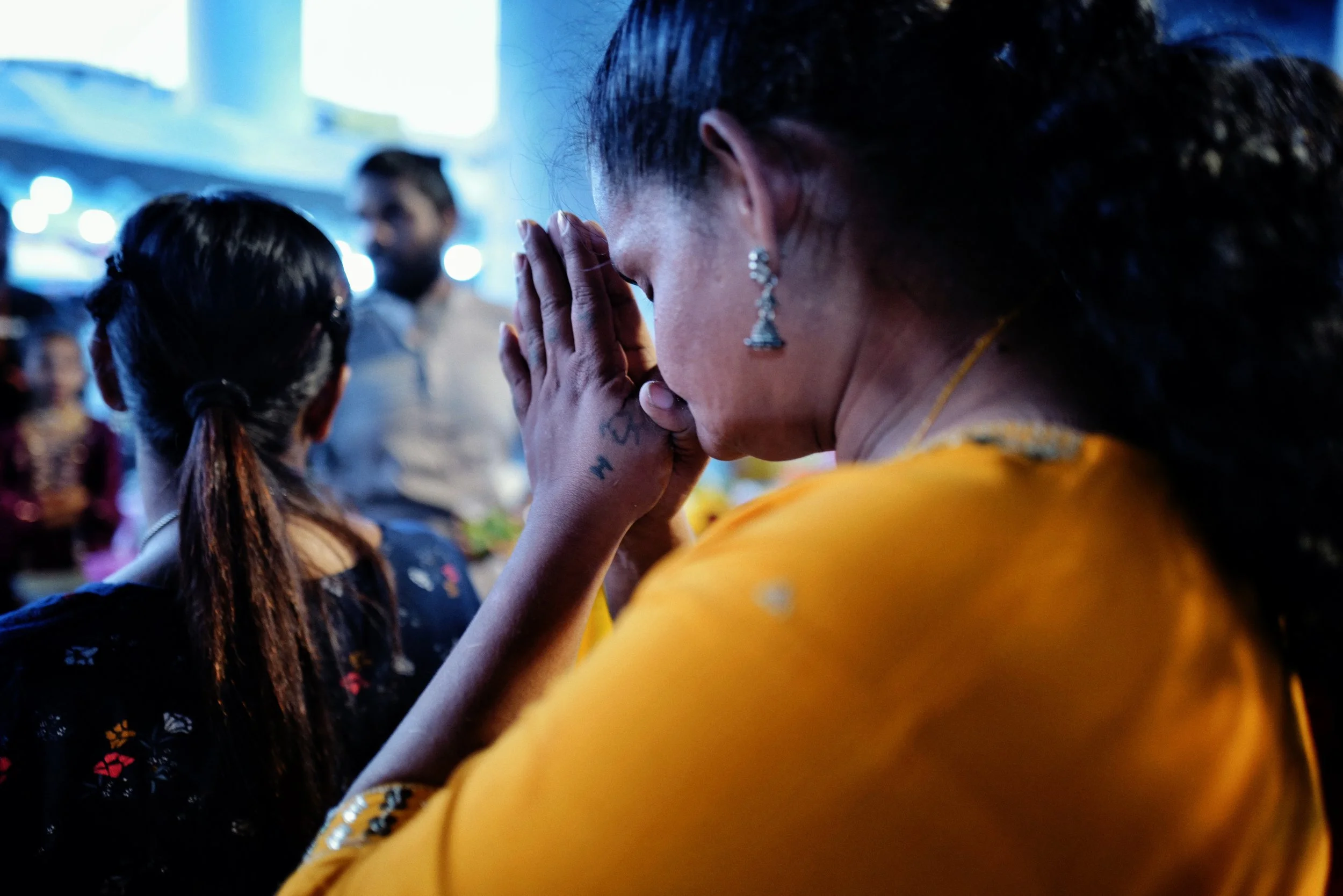
Consider what Scripture teaches about the origins of pagan religious practice. In Psalms it declares: “All the gods of the Gentiles are idols” (Psalm 96:5, LXX). And in Corinthians: “The things which the Gentiles sacrifice, they sacrifice to demons and not to God; and I do not want you to become sharers in demons.” — 1 Corinthians 10:20. These are not statements of cultural prejudice. They are descriptions of spiritual reality. The deities worshipped in Hindu tradition — and in every pagan religious system — are not neutral figures. They are not merely cultural symbols or philosophical concepts. They are demons masquerading as gods to receive the worship, the devotion, and the sacrifices that belong to Almighty God alone.
The bondage we witnessed at Thaipusam was visible: the piercings, the blood, the exhaustion, the trance states and demonic manifestations. But the deeper bondage — the spiritual bondage that drives people to inflict such things upon their own bodies in search of favor, blessing, and liberation from cycles of karma — this bondage is invisible to the natural eye but profound in its reality.
What we observed were people trying desperately to appease forces they sense but cannot see, trying to work their way to a standing before a god they believe is distant and angry, trying to find release from bondage through rituals that only deepen the bondage. The cycle of karma requires endless works, endless rituals, endless self-flagellation. There is no finished work. There is no completed sacrifice. There is only the endless striving of souls trying to reach a god who will never be reached through human effort.
Compare this with the freedom Christ offers. The gospel announces that the work is finished. The sacrifice has been made. The debt has been paid. “It is finished” (John 19:30) was not a statement of defeat but of triumph. The curtain was torn. The way into the presence of God was opened. No longer must souls approach God through priests, through rituals, through the blood of animals that could never truly atone. Through the once-for-all sacrifice of Jesus Christ, the believing sinner has direct access to the throne of grace.
The contrast could not be sharper. On one side: endless self-inflicted suffering, piercings, attempts to appease angry spirits through visible acts of devotion. On the other side: rest, peace, freedom, forgiveness granted not through what we do but through what Christ has done. On one side: bondage to invisible forces that demand endless payment. On the other side: adoption into the family of God as beloved children.
The Thaipusam festival was a window into the spiritual reality that dominates most of mankind. Most people on earth today — inclusive of nominal Christians, inclusive of those who have never heard the gospel — are living under spiritual bondage to the prince of this world. They may not understand this in these terms. They may not recognize the chains that bind them. But the chains are real. And the chains can be broken through Christ Jesus alone.
In Him,
Tim and Will